
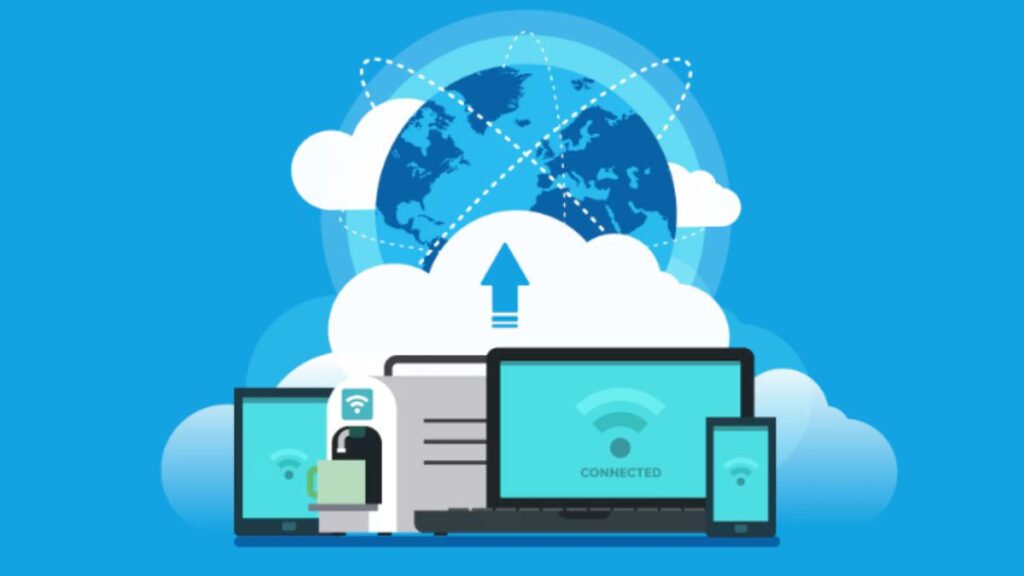
Introduction to IP Addresses
In the vast expanse of the internet, where billions of devices connect and communicate daily, an often-overlooked hero exists: the IP address. Every device that interacts online relies on this unique numerical identifier to send and receive data seamlessly. Among these addresses is 158.63.258.200, a sequence that might seem ordinary at first glance but carries significant weight in today’s digital environment.
Understanding its importance goes beyond just numbers; it’s about grasping how our interconnected world operates. With each click, each connection made through this specific IP address could be unlocking new opportunities or posing hidden challenges in network security and allocation issues.
Join us as we delve into the intricacies of what makes 158.63.258.200 not just another string of digits but a vital piece in the ever-evolving puzzle of internet communication!
Understanding the Structure of IP Address 158.63.258.200
IP addresses serve as unique identifiers for devices on a network. The structure of the IP address 158.63.258.200 follows the familiar IPv4 format, which consists of four octets separated by periods.
Each octet can represent a value from 0 to 255, creating over four billion possible combinations in total. However, it’s crucial to note that each segment must adhere to this limitation.
In looking at 158.63.258.200 specifically, one sees an unusual number: 258 is not valid since it exceeds the maximum range for an octet.
This highlights the importance of accurate formatting and validation in networking practices. An invalid IP like this cannot be routed effectively across networks, illustrating how critical precision is when navigating digital communications and infrastructure.
Importance of IP Address in Internet Communication
An IP address is essential for devices to communicate over the internet. Think of it as a unique identifier that allows data to reach its correct destination. Without it, online interactions would be chaotic.
Every time you send an email or browse a website, your device uses its assigned IP address. This enables servers to locate and respond to requests swiftly. Each digital interaction relies on this backbone of connectivity.
Moreover, IP addresses play a crucial role in routing traffic efficiently across networks. They ensure information travels through the most appropriate paths available at any given moment.
In today’s interconnected world, understanding the importance of an IP address goes beyond just technicality; it’s integral to seamless communication and user experience online.
How IP Addresses are Assigned and Managed
IP addresses are allocated through a hierarchical structure managed by organizations like the Internet Assigned Numbers Authority (IANA) and regional registries. These bodies oversee the distribution of IP address blocks to internet service providers (ISPs) and large organizations.
When a device connects to the internet, it requests an IP address from its ISP. The ISP assigns either a static or dynamic IP based on availability. Dynamic addresses change periodically, while static ones remain constant for specific needs.
Management involves monitoring usage patterns, ensuring efficient allocation to avoid shortages, and complying with global standards. IPv4 faces exhaustion issues due to limited numbers, prompting the shift towards IPv6 which offers vastly more addresses.
This transition is crucial as we continue expanding our online presence. Understanding this process highlights how integral these unique identifiers are in maintaining seamless connectivity across networks worldwide.
The Role of IP Addresses in Network Security
IP addresses play a crucial role in network security. They serve as unique identifiers for devices connected to the internet, making it possible to monitor and control traffic flow.
Each time data is sent or received, the IP address helps ensure that information gets where it needs to go. This tracking capability can be harnessed for security purposes. By analyzing patterns associated with certain IPs, security teams can detect unusual activity that may indicate cyber threats.
Furthermore, firewalls often rely on IP addresses to filter incoming and outgoing traffic. Administrators can block suspicious IP ranges while allowing safe ones through, creating a protective barrier against potential attacks.
Also, geolocation services linked to IP addresses provide insights into user locations. This feature adds another layer of scrutiny when assessing risk factors associated with specific regions known for higher levels of cybercrime.
Challenges and Controversies Surrounding IP Address Allocation
IP address allocation is fraught with challenges and controversies that impact both users and organizations. The exhaustion of IPv4 addresses has led to heated debates over resource management and the transition to IPv6.
Many regions have unequal access, creating a digital divide. Some countries possess vast ranges of IPs, while others struggle for even small allocations.
Misuse also plagues the system. Cybercriminals often exploit poorly managed allocations, leading to security risks across networks.
Furthermore, large corporations tend to dominate IP resources, raising questions about fairness in distribution. This concentration can stifle competition among smaller entities trying to establish their online presence.
Regulatory bodies face difficulties adapting old frameworks to modern demands. With rapid technological advancements, finding effective solutions remains an ongoing issue as stakeholders seek balance between growth and equitable access in the internet landscape.
Future of IP Addresses and the Internet Landscape
The future of IP addresses is evolving rapidly as internet usage grows. With the exponential increase in connected devices, IPv4 addresses are becoming scarce. This scarcity has led to a shift towards IPv6, which offers a vastly larger address space.
IPv6 adoption is essential for accommodating billions of new users and devices. As more smart technologies emerge, seamless connectivity becomes critical. The transition will not only enhance communication but also improve security protocols across networks.
Moreover, innovations like IoT and 5G require robust addressing systems to ensure efficiency. As we move forward, understanding the implications of these changes on network management will be vital.
Businesses must adapt quickly to remain competitive in this dynamic landscape. Embracing new technology and frameworks around IP addresses will shape how we interact online for years to come.
Conclusion
The significance of IP address 158.63.258.200 is multifaceted within today’s digital world. As we navigate through the complexities of internet communication, understanding the role of IP addresses becomes crucial for both users and businesses alike.
IP addresses serve as unique identifiers that allow devices to connect and communicate seamlessly over networks. The structure of 158.63.258.200 highlights how these numbers can be organized, although it’s important to note that this specific address does not conform to standard formatting due to the out-of-range value (the last segment exceeds 255). This emphasizes a critical aspect of accuracy in networking.
Moreover, proper management and assignment play a vital role in maintaining an efficient online ecosystem, balancing accessibility with security measures like firewalls and VPNs that rely heavily on IP data.
However, challenges such as allocation controversies raise questions about fairness and resource distribution across regions worldwide.
As we look ahead at the evolution of web technologies—especially with innovations like IPv6—the need for robust systems remains paramount.
Understanding each component’s relevance will enable us all to better appreciate our interconnected landscape while navigating it securely and effectively.