
Introduction to Sea Glass
Imagine walking along a sun-kissed beach, the gentle waves lapping at your feet. As you stroll, something catches your eye—a glimmering piece of glass half-buried in the sand. This isn’t just any ordinary glass; it’s sea glass, a treasure shaped by nature over time. From vibrant colors to smooth edges, each piece tells its own unique story.
Sea glass has captivated collectors and artists alike for centuries. It transforms discarded remnants into stunning works of art that add beauty to our homes and lives. Whether you’re an avid collector or new to the world of sea glass, there’s so much more beneath its surface than meets the eye. Let’s embark on this journey together and discover how these ocean gems come to be!
How does sea glass form?
Sea glass begins its journey as ordinary glass waste. Bottles, jars, and other discarded items find their way into oceans and rivers. Over time, the harsh elements of nature take over.
Waves crash against these fragments. Sand and saltwater continuously grind them down. This relentless process softens sharp edges and creates smooth surfaces.
Sunlight plays a role too. Ultraviolet rays can change the color of the glass, resulting in beautiful hues that vary widely from deep blues to frosty whites.
The environment also contributes to its transformation. Sea currents carry pieces across long distances, allowing each fragment to develop unique characteristics along the way.
Years spent tumbling through water create a natural patina on sea glass, giving it an appealing look reminiscent of polished gemstones. What once was trash now holds beauty shaped by nature’s artistry.
The History of Sea Glass
Sea glass has a rich history that dates back centuries. Once discarded bottles and jars, these colorful shards tell stories of human interaction with the ocean.
In the early 20th century, coastal towns saw an increase in glass waste due to booming industries. As people began enjoying leisure time by beaches, they unknowingly contributed to this treasure trove beneath their feet.
The tumbling action of waves and sand transformed sharp edges into smooth gems over years. Each piece reflects light beautifully, capturing the essence of its journey through water.
Historically, sea glass was often used as a simple decorative element in gardens or homes. Over time, it evolved into a sought-after material for artisans and craft enthusiasts alike.
From ancient times when it symbolized trade routes to today’s eco-conscious art scene, sea glass embodies both nostalgia and creativity. Its beauty lies not only in aesthetics but also in the tales woven across generations.
Where to Find Sea Glass?
Finding sea glass can feel like a treasure hunt. Start your adventure at local beaches, particularly those known for rough waves. The constant crashing of the ocean helps to smooth and polish the glass.
Look for less popular spots or hidden coves. These areas often have fewer collectors, increasing your chances of discovering unique pieces. Early mornings after storms are prime times; nature tends to wash up fresh finds.
Rocky shorelines also yield good results, as they trap debris in tidal pools. Walking along jetties or piers might surprise you with unexpected gems too.
Don’t forget to check near old docks and fishing areas where glass has been discarded over time. Remember to keep an eye out while beachcombing—you never know what you might stumble across!
How to Identify and Grade Sea Glass
Identifying and grading sea glass can be an exciting adventure for collectors. It begins with observing the color. Popular hues like teal, amber, and cobalt often fetch higher value than more common shades.
Next, examine the surface texture. The best pieces are frosted from years of tumbling in waves and sand. Smooth edges indicate quality wear; sharp or jagged pieces may not have spent enough time at sea.
Look for any markings or logos on the glass. These small details can reveal its origin and age—often adding to its desirability.
Size also plays a role in grading. Larger shards tend to be more sought after, while tiny fragments might serve as filler in crafts but hold less individual value.
Consider rarity factors such as unusual colors or unique shapes that set certain pieces apart from everyday finds. Each attribute contributes to the charm of your collection.
DIY Projects using Sea Glass
Transforming sea glass into art is a delightful way to unleash your creativity. Whether you’re an experienced crafter or just starting, there are countless DIY projects you can tackle.
One popular option is creating stunning mosaics. Combine pieces of different colors and textures to craft beautiful wall hangings or tabletops. The natural frosted look adds a unique charm.
You can also make jewelry, such as pendants or earrings. A simple wire wrap technique can turn small pieces into elegant statement pieces.
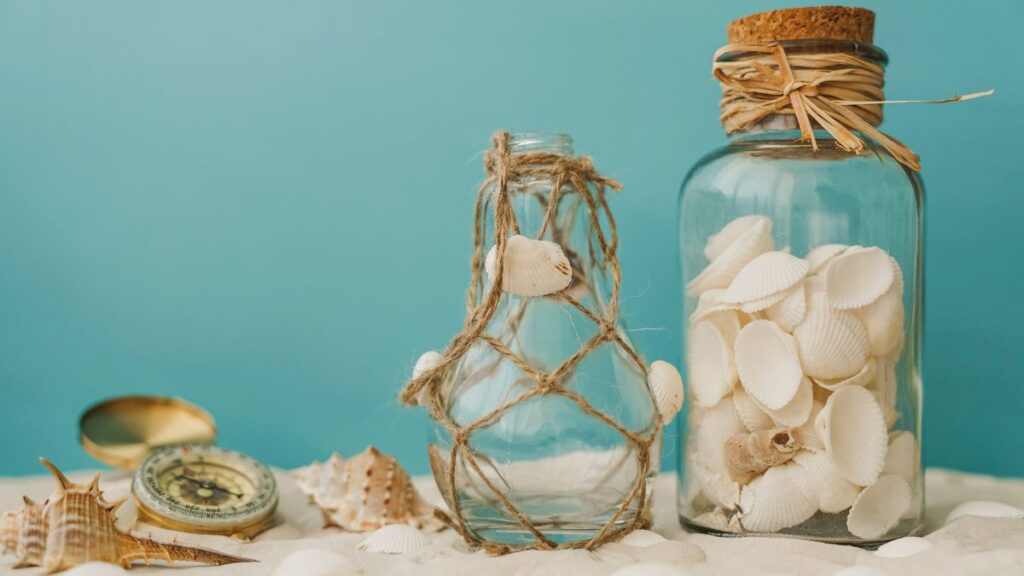
Another fun idea is using sea glass in home décor. Fill jars with assorted shards for eye-catching centerpieces or incorporate them into candle holders for a beachy vibe.
The possibilities are endless! Let your imagination guide you as you explore the world of sea glass crafts, turning ocean treasures into cherished keepsakes that reflect your style and passion.
The Growing Popularity of Sea Glass Art
The allure of sea glass art has surged in recent years. Artists and crafters have discovered its unique charm, transforming discarded beach finds into stunning creations.
From jewelry to home decor, the possibilities are endless. Each piece tells a story, reflecting the natural beauty of the ocean. The vibrant colors and smooth textures captivate collectors and enthusiasts alike.
Social media platforms play a significant role in this trend. Creators showcase their work online, inspiring others to explore their creativity with sea glass. Tutorials abound, making it easier for beginners to dive into crafting.
Art shows and local markets also feature sea glass pieces prominently now. These events provide opportunities for artisans to connect directly with fans who appreciate sustainable art forms.
As awareness grows about environmental issues, many see sea glass as not just beautiful but also eco-friendly. This connection enhances its appeal among conscious consumers seeking meaningful art options.
Conclusion
The allure of sea glass is undeniable. It tells a story that spans decades, even centuries. Each piece carries the whispers of the ocean and the memories of its travels. As we have explored, this enchanting material transforms from discarded bottles and jars into stunning treasures through natural processes.
From understanding how it forms to discovering where to find it, sea glass captivates enthusiasts worldwide. The history behind these colorful gems adds depth to their beauty, making them more than just decorative items but rather pieces of art with rich narratives.
People are increasingly embracing DIY projects using sea glass, allowing creativity to flourish while recycling nature’s bounty. The rise in popularity for sea glass art reflects a growing appreciation for unique handmade creations that can brighten any space or serve as cherished gifts.
Whether you’re an avid collector or simply someone who enjoys beachcombing on sunny days, there’s something magical about spotting these smooth fragments along the shoreline. Sea glass continues to inspire artists and hobbyists alike—turning what was once considered waste into beautiful works of art that enhance our lives and surroundings.
As we cherish these small wonders from the sea, let us continue exploring their depths both literally and creatively.