
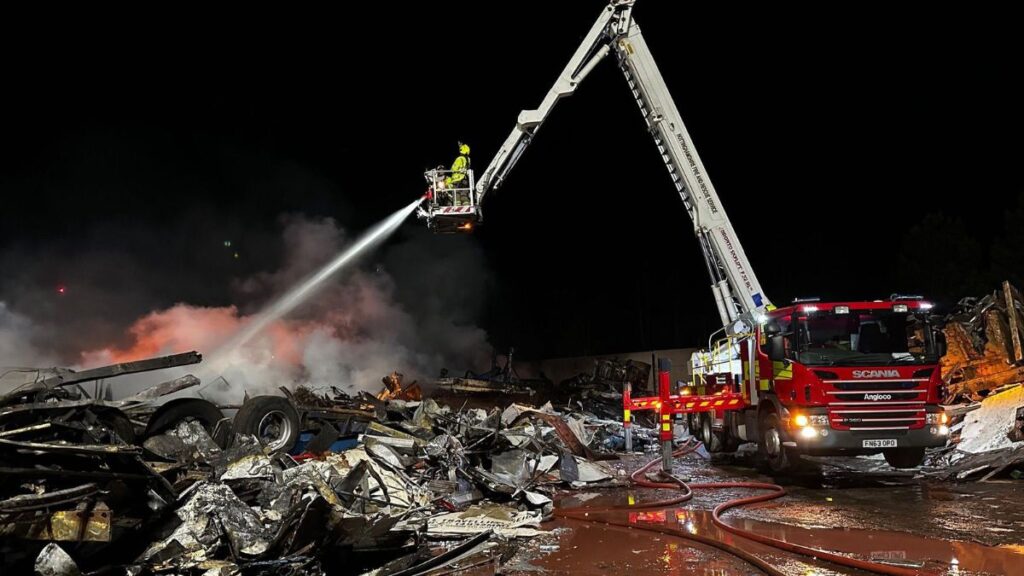
Seeing the red lights fade into the distance marks the end of the emergency, but it is just the beginning of a long journey toward normalcy. The hours and days following a house fire are critical. While the immediate danger has passed, you are left with a charred structure, smoke damage, and a list of urgent tasks. Knowing exactly what steps to prioritize helps you navigate this overwhelming period with purpose and clarity.
This guide outlines practical actions to take immediately after the first responders depart, focusing on safety, insurance, and the restoration of your home.
Ensure Safety Before Re-entering
Your first instinct might be to rush inside to salvage belongings or survey the damage. Resist this urge until a fire marshal or building inspector deems the structure safe. Fire damage compromises structural integrity in ways that are not always visible. Roofs can collapse, floorboards can weaken, and hidden hot spots may still flare up.
Even after you receive permission to enter, exercise extreme caution. Wear sturdy boots, heavy gloves, and a mask to protect yourself from soot and ash particles. Open windows to ventilate the area if the weather permits, as lingering smoke can be harmful to your lungs.
Secure the Property
Once the fire is out, your home is vulnerable to weather, theft, and vandalism. Securing the property is a top priority to prevent further loss. If windows were broken or doors kicked in during the firefighting efforts, they need to be boarded up immediately.
If the roof sustained damage, cover open areas with tarps to keep rain or snow from causing additional water damage inside. Many homeowners hire professionals for board-up services if the damage is extensive. Securing the perimeter with temporary fencing can also keep curious onlookers or looters away from the site.
Contact Your Insurance Company
Notify your insurance agent as soon as possible. They will guide you through the claims process and explain what is covered under your policy. Ask specific questions about immediate needs, such as coverage for temporary housing if your home is uninhabitable.
Start a detailed record of all communications with your insurance provider. Note the dates, times, and names of everyone you speak with. Taking photos and videos of the damage before moving anything is crucial for your claim. Document the structural damage as well as the loss of personal property. Create an inventory of damaged items, including descriptions, estimated values, and purchase dates if known.
Mitigate Water and Smoke Damage
Firefighting efforts often leave behind significant water damage. Standing water can lead to mold growth within 24 to 48 hours, compounding the disaster. If it is safe to do so, turn off the main water valve to prevent pipe bursts from freezing or damaged plumbing.
Smoke and soot are acidic and can corrode materials quickly. Do not attempt to wipe down walls or wash fabrics yourself, as improper cleaning methods can set stains permanently. Professional restoration teams have specialized equipment to remove water and neutralize smoke odors effectively.
Retrieving Important Documents
Locating essential documents is vital for moving forward with your recovery. Prioritize finding identification cards, passports, birth certificates, and financial records. If these documents were damaged or destroyed, make a list of what needs replacing and contact the appropriate agencies immediately.
If you have a fireproof safe, do not open it until it has cooled completely. Opening it while it is still hot can cause the contents to ignite instantly due to the rush of oxygen.
Developing a Restoration Plan
Recovering from a fire involves more than just cleaning up. It requires a strategic plan to rebuild and restore your home to its pre-loss condition. You will likely need to work with contractors, structural engineers, and restoration specialists.
Choosing the right professionals is essential. Look for certified experts who understand the complexities of fire damage, including structural drying, soot removal, and reconstruction. For example, if you require disaster restoration in Salt Lake City, ensure the team you select is familiar with local building codes and climate challenges that might affect the rebuilding process.
Managing Utilities and Services
Contact utility providers for gas, electricity, and water to inform them of the fire. If you are not living in the home, ask to suspend services to avoid unnecessary bills. However, during the winter, you might need to keep some heating active to prevent pipes from freezing, so discuss the best options with your utility company and your restoration contractor.
Don’t forget to forward your mail or place a hold on it at the post office. This ensures you continue to receive bills, insurance documents, and other important correspondence while you are displaced.
Looking Ahead
Recovery is a marathon, not a sprint. Taking organized, methodical steps helps reduce stress and ensures nothing is overlooked. By prioritizing safety, documenting everything for insurance, and assembling a reliable team of professionals, you lay a solid foundation for rebuilding. Your home will be restored, and life will eventually return to its normal rhythm.