
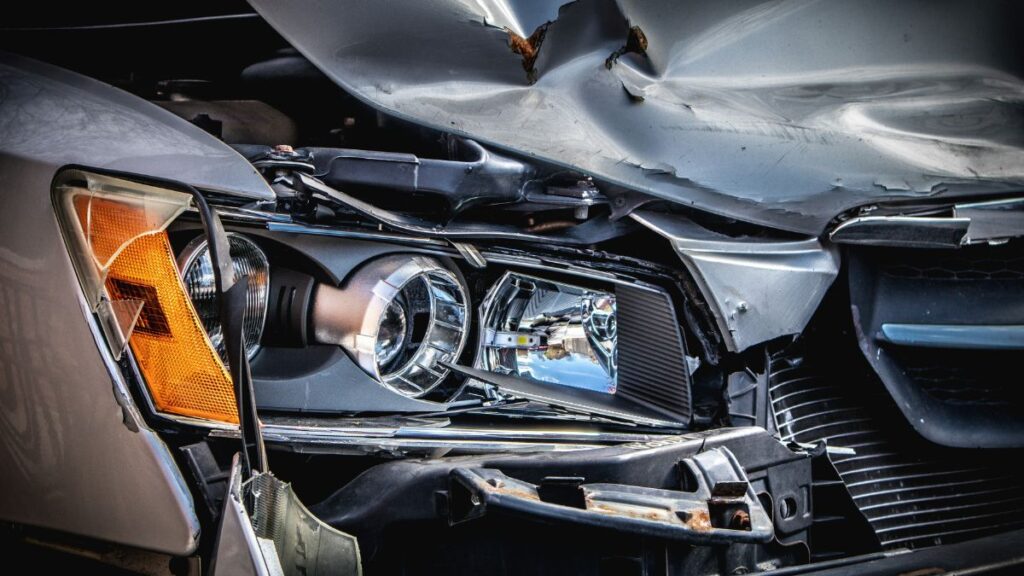
Road accidents are a common occurrence worldwide. There are many safety standards aimed at reducing accidents, such as improved road infrastructure, smart lighting systems, and Advanced Driver Assistance Systems (ADAS). Despite this, road accidents continue to injure thousands of people and claim many lives.
The National Highway Traffic Safety Administration estimated 39,345 traffic deaths in 2024. This is the first time that number has gone below 40,000 since 2020.
After a traffic accident, drivers often feel disoriented, stressed, and uncertain about their next steps. Even minor collisions can trigger a chain of decisions that affect health, finances, and legal standing for months or years.
Many problems people face after an accident are not caused by the crash itself but by avoidable missteps made in the aftermath. Understanding these common mistakes can help drivers respond with more clarity and protect their interests.
Leaving the Scene Too Quickly
You should never leave the scene without stopping, especially if you are at fault, as it could result in criminal charges in a hit-and-run case. A woman in her 50s was fatally struck by a vehicle while crossing a road in Nelson, Lancashire, in December 2024. The driver, who had no licence and was speeding well above the limit, hit her at around 60 mph in a 30 mph zone. He then fled the scene.
The court later heard the crash happened because the driver was seeking an “adrenaline rush.” He admitted guilt for causing death through dangerous driving and associated charges and was sentenced to 12 years and six months in prison.
Stopping after a collision does not remove the need to proceed calmly and carefully. One of the most frequent errors drivers make is leaving the accident scene before all necessary steps are completed.
This can lead to missed details such as incomplete exchange of information, lack of photographs, or failure to wait for law enforcement when required. Even in low-impact accidents, leaving prematurely can raise questions later about responsibility and cooperation.
Can leaving the scene affect future legal or administrative processes even if no one appears injured?
Yes, leaving too soon can complicate matters beyond immediate penalties. Administrative reviews, insurance verifications, and even vehicle repair disputes often rely on confirmation that proper procedures were followed at the scene. When records show an early departure, it may raise questions that slow down paperwork, require additional statements, or trigger further investigation.
Speaking Too Freely With Insurance Companies
One of the first things that many people do is contact their insurance provider, which is the right thing to do. In many cases, the at-fault driver’s insurance provider attempts to reach you soon after the incident. They will act helpful and concerned while trying to get details that they can use against you later.
Therefore, it is important to seek legal help before talking to the other driver’s insurance company. According to the Keith Law Group, lawyers have the right experience and skills to deal with adjusters. They can even negotiate with the adjusters for optimal compensation.
Consider a high-speed police chase collision in Little Rock, Arkansas. A trooper saw a red Infiniti speeding and chased it. During the chase, the Infiniti hit another car. The driver of the Infiniti was injured, while two passengers were killed. The driver who was hit wasn’t injured, but his car was damaged.
In such a scenario, connecting with a Little Rock auto accident lawyer can help you take the right legal path. Their support can cover the entire process, including gathering evidence, protecting key information, handling negotiations with insurers, and providing courtroom representation if needed.
Is it possible for statements made early on to affect claims months later?
Yes, early statements often remain part of a permanent claim record. If later evidence, medical findings, or repair assessments differ from initial comments, insurers may point to those early remarks to challenge consistency. Even small wording choices can influence how responsibility or damages are evaluated over time.
Underestimating Injuries After the Crash
Another common mistake involves assuming that injuries will be obvious right away. And it is common to face delayed pain and symptoms after a few hours or days. This is because adrenaline can mask the symptoms and pain of minor injuries for a few hours after the collision. Thus, you may not see the signs of soft-tissue injuries and concussions immediately. This does not suggest that medical care should be overlooked.
Drivers sometimes decline medical evaluation because they feel fine at the moment, only to experience pain days later. Putting off medical treatment can slow healing and weaken the link between the injury and the accident if care starts much later.
In the event of delayed pain, you should seek medical help immediately. You must also keep a personal record of the pain and injury and include it in your claim. These records will help you establish a clear link between the injury and the accident.
Failing to Document the Accident Properly
Documentation plays a large role in resolving accident-related disputes, yet it is often overlooked. Drivers may rely on memory rather than gathering evidence at the scene. Weather conditions, traffic patterns, vehicle positions, and visible injuries can change quickly.
Without photos, witness contact details, or notes taken shortly after the crash, it becomes harder to support a clear version of events. This lack of documentation can weaken insurance claims and delay resolutions.
Failing to document the accident properly can also create issues long after the vehicles are cleared from the road. Memories fade quickly, and small but important details such as traffic signals, road conditions, or statements made at the scene may be forgotten or misremembered.
When accounts change over time, insurance companies and investigators may question credibility, which can slow down claims or reduce their value. Without accurate documentation, the increase in insurance premiums can be very high.
They would increase after a crash, regardless of whether you were at fault. If you were not at fault, it can increase by around 10%, but it can go up to 45% for at-fault drivers. Appropriate documentation can help keep the premium increase to a minimum.
What types of non-physical details are often overlooked but still important?
Drivers frequently overlook environmental factors such as lighting, traffic flow, nearby construction, or temporary signage. These details can help explain why an accident occurred or why certain actions were taken. Without noting them early, it becomes harder to explain circumstances that no longer exist days or weeks later.
Traffic accidents disrupt routines and force drivers to make decisions under pressure. Mistakes often happen not because of carelessness, but because people are overwhelmed and uninformed.
Taking time to document the scene, seek proper medical care, and communicate cautiously can make a meaningful difference in the outcome. Understanding these frequent mistakes allows drivers to react more carefully and lowers the chance of lasting issues following an accident.