
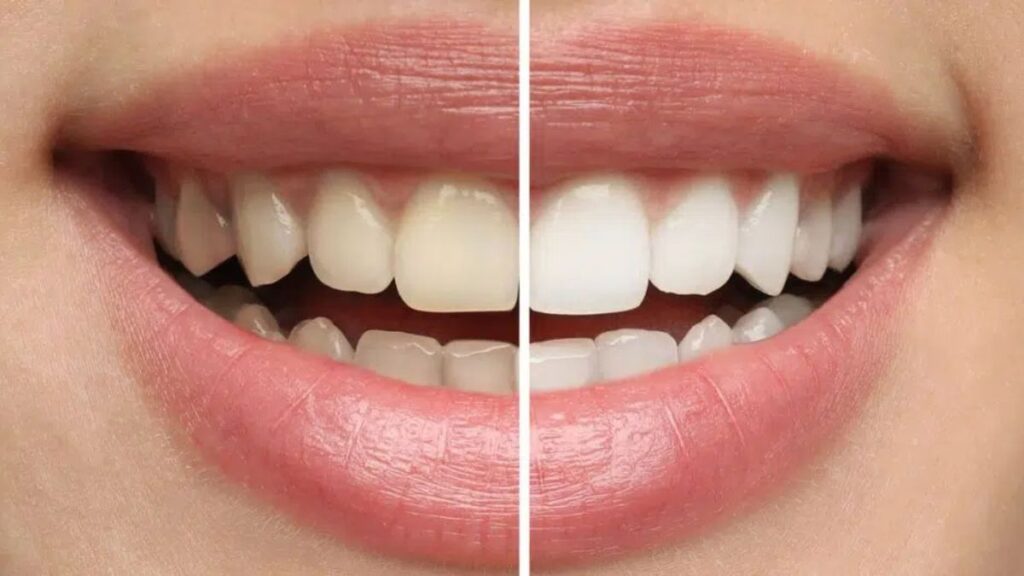
Your smile is often the first thing people notice about you. Beyond aesthetics, the condition of your teeth plays a massive role in your overall well-being. When teeth are damaged, decayed, or missing, it affects how you eat, speak, and interact with the world. Fortunately, modern dentistry offers numerous solutions to repair and rebuild a damaged smile. This guide explores the different aspects of restoring dental health and why it matters for your quality of life.
Understanding Why Restoration Matters
Many people view dental work as purely cosmetic, but restoration goes much deeper than looks. When a tooth is compromised, it can lead to a domino effect of health issues. A single missing tooth can cause the remaining teeth to shift out of place, leading to bite alignment problems. This misalignment often results in jaw pain, headaches, and increased wear on other teeth.
Furthermore, untreated decay or damage can lead to infections that may spread to other parts of the body. Restorative procedures aim to stop this progression. By fixing the structural integrity of a tooth, you protect the gums and bone that support it. A fully functional set of teeth allows for proper digestion, as chewing is the first step in the digestive process.
Common Types of Restorative Procedures
Dentists use a variety of tools and techniques to bring teeth back to their optimal state. The right choice depends on the severity of the damage and the specific needs of the patient.
Fillings and Bonding
For minor decay or small chips, fillings and dental bonding are the first line of defense. Fillings seal cavities caused by bacteria, preventing further rot. Composite bonding uses a tooth-colored resin to reshape teeth that are cracked or discolored. These procedures are typically quick and preserve most of the natural tooth structure.
Dental Crowns
When a tooth is significantly damaged, but the root is still healthy, a crown acts as a protective cap. It covers the entire visible portion of the tooth, restoring its original shape and strength. Crowns are often necessary after a root canal or when a large filling has weakened the tooth too much.
Bridges and Implants
Missing teeth require more substantial solutions. A dental bridge fills the gap by anchoring a false tooth to the adjacent healthy teeth. This prevents shifting and restores chewing ability.
Implants offer a more permanent solution. An implant is a small titanium post surgically placed into the jawbone, acting as a new root. Once healed, a crown is attached to the post. Implants look and feel just like natural teeth and help preserve jawbone density.
Dentures
For those missing multiple teeth or an entire arch, dentures remain a viable option. Modern dentures are more comfortable and natural-looking than ever before. They can be removable or secured by implants for added stability.
The Process of Reclaiming Your Smile
Embarking on a journey to fix your teeth starts with a comprehensive evaluation. A dentist will examine your mouth, take X-rays, and discuss your goals. This assessment determines which treatments will provide the best long-term results.
It is crucial to find a provider who understands both the functional and aesthetic aspects of dentistry. For example, if you are seeking dental restoration in Carencro, LA, you would look for a professional who offers a comprehensive range of services to address your specific situation. The goal is always to create a treatment plan that fits your health needs and lifestyle.
Maintaining Your Results
Once you have undergone restorative treatment, maintenance becomes the priority. Restored teeth require the same care as natural teeth, if not more.
Daily hygiene is non-negotiable. Brushing twice a day and flossing daily removes the plaque that causes decay and gum disease. Using a non-abrasive toothpaste helps protect the materials used in crowns and veneers.
Regular check-ups are also essential. During these visits, the dentist checks the integrity of fillings, crowns, or implants. They can catch minor issues before they become major repairs. Avoiding hard foods like ice or hard candy can prevent chips and cracks in both natural and restored teeth.
The Impact on Overall Confidence
The benefits of a healthy mouth extend far beyond physical health. There is a strong psychological component to dental well-being. People who are embarrassed by their teeth often hide their smiles, speak less, or avoid social situations.
Repairing damaged teeth can lead to a significant boost in self-esteem. When you are not worried about pain or appearance, you feel freer to laugh and engage with others. This confidence can positively impact professional opportunities and personal relationships.
Investing in Your Future Health
Choosing to restore your teeth is an investment in your future. It prevents more costly and invasive procedures down the line. Ignoring a small cavity today can lead to a root canal or extraction next year. By addressing issues early and effectively, you ensure that your smile serves you well for decades.
A healthy mouth is a cornerstone of a happy life. Whether you need a simple filling or a complex reconstruction, the technology exists to help you chew comfortably and smile freely again. Prioritize your dental health today for a better quality of life tomorrow.