
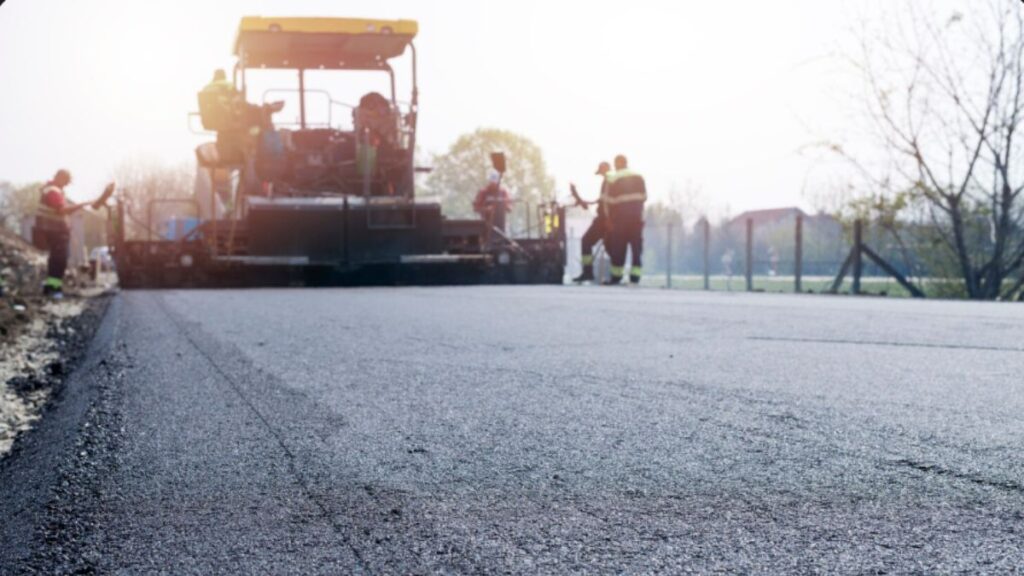
Road maintenance is a topic often overshadowed by the more glamorous aspects of urban development. Yet, beneath our busy streets lies a pressing need for sustainable solutions that balance functionality with environmental responsibility. With concerns about climate change and resource depletion on the rise, innovative approaches to road repair are not just desirable but essential. Enter “asphalt on asphalt” – an emerging method that’s turning heads in the world of infrastructure.
This technique isn’t merely a trend; it’s reshaping how we think about road maintenance, offering an eco-friendly alternative to traditional practices. As cities expand and existing roads wear down, understanding this approach could pave the way for greener highways and smoother rides while conserving precious resources. Let’s delve into why asphalt on asphalt might be the key to sustainable road management in our ever-evolving landscape.
Understanding the Need for Sustainable Road Maintenance
Our roads are the veins of our cities, facilitating movement and commerce. Yet, many of them are aging rapidly. Regular maintenance is crucial to ensure safety and efficiency for all users.
However, traditional methods often rely heavily on new materials that can be costly and environmentally taxing. As urban populations swell, the demand for effective road repair is skyrocketing.
Sustainable practices in road maintenance address these challenges head-on. They minimize waste while maximizing resource use—an essential balance as we face increasing environmental scrutiny.
Focusing on sustainability also means considering future generations’ needs. Roads built today should not compromise tomorrow’s resources or ecosystems.
By rethinking how we maintain infrastructure, we open doors to innovative solutions that benefit both communities and the planet at large.
The Impact of Traditional Asphalt on the Environment
Traditional asphalt, while essential for modern infrastructure, poses significant environmental challenges. The production of asphalt involves heating stones and bitumen at high temperatures, which contributes to greenhouse gas emissions. This process not only affects air quality but also accelerates climate change.
Moreover, asphalt is a petroleum-based product. Its extraction and processing can lead to habitat destruction and water pollution. When rainwater runs off paved surfaces, it often carries harmful pollutants into local waterways.
Another concern lies in the heat retention properties of traditional asphalt. Urban areas with extensive pavement experience the “urban heat island” effect, resulting in higher temperatures that impact both human health and local ecosystems. The long-term use of conventional asphalt thus raises questions about sustainability and ecological balance.
These factors highlight the urgent need for innovative road maintenance solutions that minimize environmental harm while providing durable infrastructure.
Introducing Asphalt on Asphalt: What is it and How Does it Work?
Asphalt on Asphalt is a revolutionary approach to road maintenance, focusing on sustainability. This method involves reusing existing asphalt materials instead of relying solely on new resources.
The process begins with milling the top layer of worn-out asphalt from the roadway. This reclaimed material undergoes screening and resizing for optimal use. Once processed, it can be mixed with rejuvenators or additives to enhance its properties.
After preparing the recycled asphalt, it’s applied back onto the road surface in a manner similar to traditional paving techniques. The result? A durable and resilient driving surface that significantly reduces waste.
This innovative strategy not only conserves natural resources but also minimizes energy consumption typically associated with producing new asphalt. By embracing this technique, municipalities can achieve effective road repairs while promoting environmental stewardship.
Benefits of Using Asphalt on Asphalt for Road Maintenance
Asphalt on Asphalt offers several compelling advantages for road maintenance. One of the most notable benefits is its sustainability. By reusing existing asphalt materials, this method significantly reduces waste and conserves resources.
Cost efficiency is another major perk. The process typically requires fewer raw materials and lower transportation costs. This can lead to substantial savings for municipalities and contractors alike.
Moreover, the durability of asphalt on asphalt applications is impressive. When applied correctly, it creates a strong bond that enhances the lifespan of roads while providing a smooth driving surface.
The quick installation time also plays a critical role in minimizing disruption to traffic flow. Roads can often be reopened faster than with traditional methods, which translates to less inconvenience for commuters.
Additionally, using recycled asphalt contributes positively to environmental efforts by lowering greenhouse gas emissions associated with production processes.
Case Studies: Successful Implementation of Asphalt on Asphalt Projects
Cities around the world are embracing asphalt on asphalt as a viable road maintenance solution. One notable case is in Seattle, where local authorities utilized recycled asphalt pavement (RAP) to repair aging roads. This innovative approach not only reduced costs but also minimized waste.
In Austin, Texas, city planners implemented an extensive project using asphalt on asphalt techniques for their busiest thoroughfares. The results were impressive: improved durability and extended road life with significantly less environmental impact compared to traditional methods.
Another success story comes from London, which integrated this method during their major urban renewal projects. By reusing existing materials, they achieved both sustainability goals and enhanced roadway performance.
These examples highlight how various municipalities have effectively adopted asphalt on asphalt techniques. Each case illustrates the potential of this method to address pressing infrastructure needs while promoting eco-friendly practices.
Challenges and Limitations of Adopting this Method
Adopting asphalt on asphalt comes with its own set of challenges. One significant hurdle is the initial cost of technology and equipment needed for proper application. While it can save money in the long run, many municipalities may hesitate to invest upfront.
Another concern lies in public perception. Some communities are skeptical about new methods, preferring traditional approaches they know well. This skepticism can slow down adoption rates.
Environmental conditions also play a role. Not all climates are suitable for asphalt recycling; extreme temperatures might affect performance and durability.
There’s ongoing maintenance that requires skilled labor familiar with this innovative technique. As demand grows, finding adequately trained professionals could prove challenging for local governments or contractors looking to implement solutions efficiently.
Conclusion: A Promising Future for Sustainable Road Maintenance with Asphalt on Asphalt
The future of road maintenance looks promising with the adoption of Asphalt on Asphalt techniques. This method not only addresses pressing environmental concerns but also offers a sustainable solution for aging infrastructure. As cities and municipalities face increasing pressure to reduce their carbon footprints, embracing innovative practices like this will be crucial.
Asphalt on Asphalt reduces waste and minimizes resource consumption by repurposing existing materials. It fosters a circular economy within road construction and maintenance industries, aligning perfectly with global sustainability goals. The ability to enhance durability while cutting costs provides additional motivation for decision-makers in various sectors.
With successful case studies emerging worldwide, it’s clear that this approach is gaining traction as an effective alternative to traditional methods. While there are challenges to overcome in terms of technology adaptation and initial investment, the long-term benefits far outweigh these hurdles.
As communities strive for greener solutions, investing in sustainable road maintenance practices like Asphalt on Asphalt may very well pave the way toward more resilient infrastructures and cleaner environments for generations to come.