
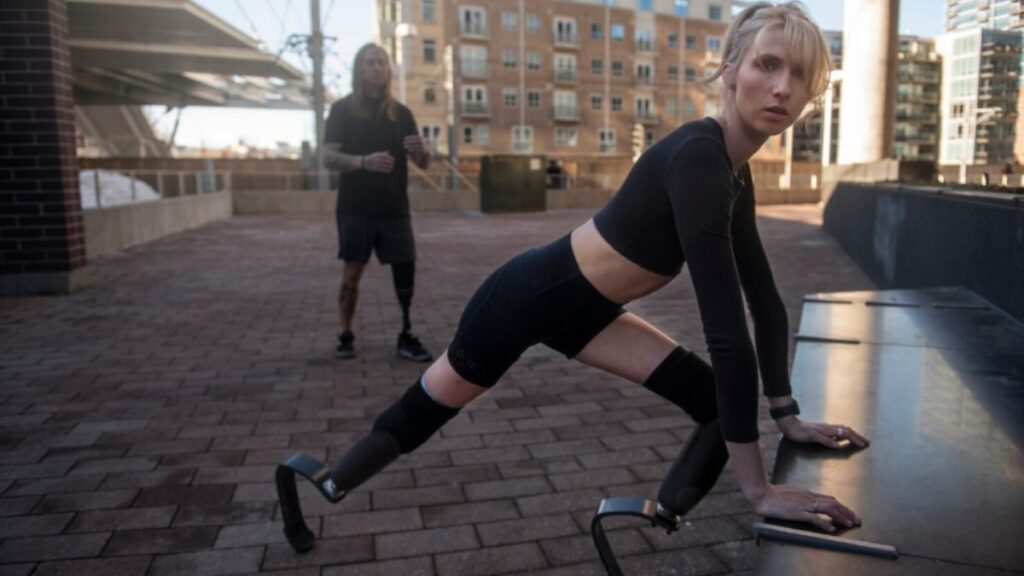
Looking to spice up your workout routine? The Single Leg Romanian Deadlift (RDL) might just be the game-changer you need. This dynamic exercise not only targets your hamstrings and glutes but also challenges your balance and stability. If you’re ready to take it a step further, we’ve got some creative variations that will elevate your fitness game. Whether you’re a gym novice or an experienced lifter, these modifications can help you maximize results while keeping things fresh and exciting. Let’s dive into the world of Single Leg RDLs and discover how they can transform your workouts!
What is a Single Leg RDL?
The Single Leg Romanian Deadlift (RDL) is a powerful exercise that focuses on stability and strength. It involves hinging at the hips while balancing on one leg, allowing for deep engagement of the posterior chain.
In this movement, you’ll lower your torso toward the ground while extending your free leg straight behind you. This not only challenges your balance but also targets key muscle groups like hamstrings, glutes, and lower back.
What sets it apart from traditional deadlifts is its unilateral nature. By working one side at a time, it helps correct muscle imbalances and improves overall coordination.
As you perform the Single Leg RDL, you’ll need to focus on maintaining proper form throughout the motion. It’s all about control and precision as you move through each rep seamlessly.
Benefits of Adding Single Leg RDLs to Your Workout
Incorporating Single Leg RDLs into your workout can significantly enhance overall strength and stability. This dynamic movement engages multiple muscle groups, particularly the hamstrings, glutes, and core.
By focusing on one leg at a time, you improve unilateral strength, which is essential for correcting imbalances that often lead to injury. Strengthening each side independently helps in creating more functional power for daily activities.
Additionally, these exercises promote better balance and coordination. As you stabilize your body on one leg, you’re training your proprioception—your awareness of where your body is in space.
Single Leg RDLs also engage the core muscles effectively. A strong core supports all movements and contributes to overall athletic performance.
Moreover, they require minimal equipment; just a mat or some weights will suffice. This accessibility makes them easy to incorporate into any fitness routine without needing a gym membership or complex machinery.
Creative Variations to Try:
One exciting way to elevate your single leg RDL workout is by incorporating resistance bands. Attach the band to a sturdy anchor and hold it in the opposite hand of your standing leg. This adds tension, challenging your stability while engaging more muscle fibers.
Another unique approach is using a Bosu ball. Stand on the flat side with one foot while performing the movement. The instability requires greater balance and core strength, making each rep count even more.
Dumbbells or kettlebells are fantastic additions too. Holding weights in one or both hands not only increases resistance but also enhances coordination as you stabilize through various ranges of motion.
These creative variations keep workouts fresh and can lead to impressive gains in strength and endurance over time!
– Using Resistance Bands
Using resistance bands for Single Leg RDLs adds an exciting twist to your workout. These versatile tools provide constant tension, making each movement more challenging.
When you step onto the band with one foot and hold the other end in your hand, you’re engaging muscles in a new way. As you hinge forward, the resistance forces you to stabilize your core even more.
This variation not only targets your hamstrings and glutes but also helps develop balance and coordination. The elastic nature of the band allows for a dynamic range of motion that bodyweight alone might not achieve.
You can easily adjust the intensity by using thicker bands or varying how much slack is present. This customization makes it suitable for all fitness levels while keeping workouts fresh and fun.
– Adding a Bosu Ball
Adding a Bosu ball to your Single Leg RDL can take your workout to another level. The unstable surface challenges your balance and engages additional stabilizing muscles that might not be activated during traditional variations.
Start by positioning the Bosu ball with the flat side down. Stand on one leg, placing the other foot lightly on top of the dome. This setup requires focus as you perform the movement, emphasizing core engagement throughout.
As you hinge at the hips, keep your back straight and reach toward the ground while maintaining control. The added stability challenge forces you to correct any imbalances in real-time, enhancing proprioception and coordination.
This dynamic variation not only boosts strength but also makes each rep feel fresh and exciting. Plus, it’s a fun way to break out of routine workouts while adding an element of playfulness.
– Incorporating Dumbbells or Kettlebells
Incorporating dumbbells or kettlebells into your Single Leg RDL routine can add an exciting challenge to this already effective exercise. These weights not only increase resistance but also engage your core more deeply for enhanced stability.
When you hold a dumbbell in one hand, the asymmetrical load forces your body to work harder to maintain balance. This dynamic aspect cultivates greater strength throughout the entire kinetic chain.
Kettlebells offer another layer of versatility. Their unique shape allows for various grip styles and movements that can enhance coordination and flexibility as you execute each repetition.
Whether you’re focusing on control with lighter weights or pushing toward heavier loads, using these tools will elevate your workout intensity and effectiveness. Embrace the shift in dynamics as you explore new depths of strength through creative variations of the Single Leg RDL.
Proper Form and Technique for Each Variation
Maintaining proper form during single leg RDL variations is crucial for effectiveness and injury prevention. Start by standing tall on one leg, ensuring your knee remains slightly bent. Engage your core to stabilize your torso.
As you hinge at the hip, keep your back straight and avoid rounding your spine. This alignment helps target the right muscles while reducing strain on your lower back.
When using resistance bands or weights, control each movement carefully. Focus on lowering with purpose; don’t let gravity pull you down too quickly. If incorporating a Bosu ball, ensure it’s stable beneath you before beginning.
Remember to breathe throughout the exercise—inhale as you lower down and exhale as you return upright. This rhythm enhances stability and focus during each repetition.
Precautions and Modifications for Beginners or Those with Injuries
If you’re new to the Single Leg RDL, start with bodyweight only. This allows you to focus on form without added resistance.
Consider using a wall or a sturdy surface for balance support initially. It can help you build confidence and stability while mastering the movement.
Listen to your body. If you experience pain in your lower back or knees, stop immediately. Adjustments may be necessary based on your fitness level and any existing injuries.
For those recovering from injury, reduce range of motion at first. Instead of reaching towards the floor, aim for just below knee height until strength improves.
Using lighter weights is also beneficial if you have previous injuries or are unsure about your capabilities. Gradually increase intensity as strength develops and confidence builds over time.
Always consult with a healthcare professional before starting any new exercise regimen if you’re managing chronic pain or recovery needs.
How These Variations Can Improve Balance, Stability, and Overall Strength
Single Leg RDL variations are a game-changer for anyone looking to enhance their physical fitness. By focusing on one leg at a time, these exercises challenge your core and lower body stability. This unilateral training forces your muscles to engage differently than traditional bilateral movements.
As you perform each variation, your balance improves significantly. The need to stabilize while executing the movement translates into better coordination in daily activities and sports performance.
Moreover, enhancing strength is not just about lifting heavier weights. It’s also about building functional strength that helps in real-life situations. These variations target multiple muscle groups together, promoting overall muscular balance.
Incorporating these challenges into your routine encourages adaptive responses from your body, leading to growth and improved efficiency over time. Engaging with different surfaces or equipment further stimulates the muscles responsible for maintaining posture and alignment during dynamic movements.
Conclusion:
Single Leg RDL variations offer a fresh and effective way to enhance your workout routine. By incorporating these creative modifications, you’re not just challenging yourself but also reaping the numerous benefits that come with them. From improved balance and stability to increased overall strength, each variation brings something unique to the table.
Whether you choose resistance bands for added tension, a Bosu ball for instability training, or dumbbells and kettlebells for extra weight, you’ll find that these exercises keep your workouts engaging. Remember to focus on proper form and technique as you explore new challenges while being mindful of any limitations or injuries.
Adding Single Leg RDLs into your fitness regimen can lead to significant improvements in functional movement patterns. This is vital not only for athletes but also for anyone looking to boost their everyday activities. Embrace these variations—they could be exactly what you need to take your fitness journey up a notch!