Introduction to Coriander Dhaniya
Coriander Dhaniya is a culinary gem that adds freshness and flavor to dishes around the world. Whether you’re whipping up a spicy curry or garnishing your favorite salad, this vibrant herb brings a burst of zest that elevates any meal. Imagine stepping into your garden and plucking fresh coriander leaves right when you need them! Not only does growing your own coriander dhaniya provide convenience, but it also connects you with nature in a rewarding way.
If you’ve ever wanted to dive into the world of home gardening, there’s no better place to start than with this versatile herb. It’s easy to grow, requires minimal space, and offers an abundance of uses in the kitchen. Ready to dig into some tips for cultivating your very own patch of coriander dhaniya? Let’s explore what it takes to make this aromatic herb thrive in your garden!
Why Grow Your Own Coriander Dhaniya?
Growing your own coriander dhaniya comes with a plethora of benefits. First and foremost, the flavor is unmatched. Freshly picked leaves have a vibrant taste that dried herbs simply can’t replicate.
Additionally, cultivating this herb allows you to control what goes into your garden. No pesticides or harmful chemicals are necessary when you’re the one planting it.
It’s also an economical choice. A small investment in seeds can yield a substantial return, saving you money on store-bought herbs over time.
Gardening itself is therapeutic. Tending to plants reduces stress and connects you with nature, creating a rewarding hobby that nurtures both body and mind.
Nothing beats the satisfaction of using ingredients you’ve grown yourself in delicious recipes. It adds a personal touch to every dish!
Choosing the Right Location and Soil for Your Herb Garden
Choosing the right location for your coriander dhaniya is essential for a thriving herb garden. Look for a spot that receives at least 6 hours of sunlight each day. This will help your plants grow robust and flavorful.
Soil quality matters too. Coriander prefers well-draining soil rich in organic matter. A loamy texture is ideal, but you can enrich sandy or clay soils with compost to enhance fertility.
Test the pH level of your soil; it should ideally be between 6.2 and 6.8 for optimal growth. If needed, amend the soil with lime to raise the pH or sulfur to lower it.
Consider drainage as well—coriander does not like “wet feet.” Raised beds or containers can be excellent options if your natural soil retains too much moisture, ensuring healthy roots and abundant leaves.
Planting and Caring for Coriander Dhaniya
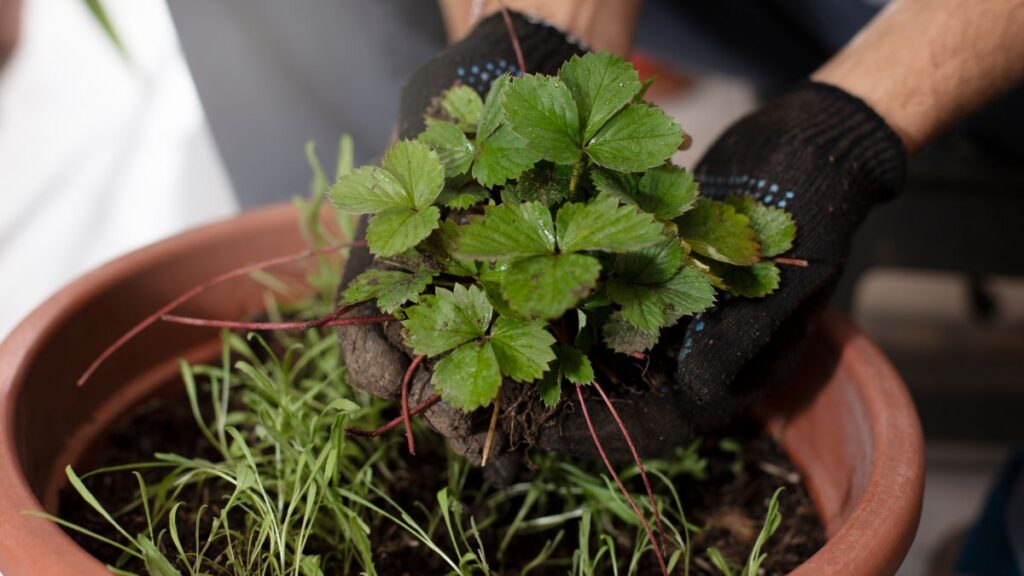
Planting coriander dhaniya is simple and rewarding. Start by selecting seeds from a reputable source to ensure freshness and quality. Soak them overnight to enhance germination rates.
Choose well-draining soil, ideally rich in organic matter. A pH level between 6.2 and 6.8 works best for optimal growth. Sow the seeds about half an inch deep, spacing them two inches apart in rows.
Water gently after planting but avoid overwatering as it can lead to root rot. Keep the soil consistently moist during germination, which typically takes around seven to fourteen days.
As your plants grow, thin out weaker seedlings to give room for stronger ones to flourish. Fertilizing with a balanced organic option every few weeks will nourish your herbs without overwhelming them with nutrients.
Regularly check for pests or diseases that may affect growth while providing adequate sunlight—approximately six hours daily—to promote lush greenery and robust flavors.
Harvesting and Storing Fresh Coriander Dhaniya
Harvesting coriander dhaniya is a delightful part of the gardening experience. Wait until the plant reaches about six inches tall, then you can start snipping off leaves or stems. It’s best to harvest in the morning when oils are at their peak.
Use sharp scissors to cut just above a leaf node. This encourages new growth and keeps your plants thriving longer. You can take as much as one-third of the plant without harming it.
Once harvested, wash your coriander gently under cool water to remove any dirt or insects. Pat them dry with a clean towel; excess moisture can lead to spoilage.
For short-term storage, wrap fresh coriander in a damp paper towel and place it inside an airtight plastic bag in the fridge. If you want to store for longer periods, consider freezing chopped dhaniya in ice cubes filled with water or oil for easy access during cooking sessions later on.
Recipes to Try Using Your Homegrown Coriander Dhaniya
Coriander Dhaniya adds a burst of flavor to countless dishes. Its fresh, citrusy notes can elevate even the simplest recipes.
Consider whipping up a vibrant coriander chutney. Blend together fresh dhaniya leaves, green chilies, garlic, and lemon juice for a zesty dip that pairs well with snacks or grilled meats.
If you’re in the mood for something warm, try adding chopped coriander to your curries. It brightens flavors and enhances aromas beautifully.
For salads, toss diced cucumbers and tomatoes with finely chopped coriander. Drizzle olive oil and lemon juice on top for a refreshing side dish.
Don’t forget about soups! A sprinkle of fresh dhaniya can transform an ordinary bowl into something extraordinary.
Use it as a garnish on tacos or burritos to add color and freshness right before serving. The possibilities are endless with this versatile herb!
Troubleshooting Common Issues in Growing Coriander Dhaniya
Growing coriander dhaniya can come with its share of challenges. One common issue is bolting, where the plant flowers prematurely. This often happens in hot weather. Try to plant your seeds in cooler months or provide some shade during the hottest parts of the day.
Pest problems can also arise. Aphids and spider mites love coriander dhaniya, but they’re manageable. Increase airflow around your plants and consider using neem oil as a natural pesticide.
Another concern is yellowing leaves, which usually indicates overwatering or nutrient deficiencies. Make sure your soil drains well and check if you need to fertilize.
Watch out for fungal diseases like powdery mildew. Good spacing between plants helps prevent excess humidity that encourages mold growth. Regularly inspect for any signs of distress so you can act swiftly before issues escalate.
Conclusion
Growing your own coriander dhaniya can be a rewarding experience. The fresh, aromatic leaves add flavor and vibrancy to countless dishes. With the right knowledge and care, you’ll soon have a thriving herb garden right at home.
By selecting the ideal location and soil type, planting with intention, and maintaining good care practices, you’ll pave the way for healthy growth. Harvesting your crop at its peak will ensure maximum flavor, while the tips on storage will help retain that freshness longer.
Experimenting with recipes allows you to truly savor what you’ve grown. Whether it’s a zesty salsa or an aromatic curry, using homegrown coriander dhaniya takes your culinary creations up a notch.
And if challenges arise during cultivation? By keeping an eye out for common issues and addressing them promptly, you’re well-equipped to keep your herb garden flourishing.
Embrace this gardening journey; it’s not just about growing herbs but also enjoying the process of nurturing life in your own green space. Happy gardening!