
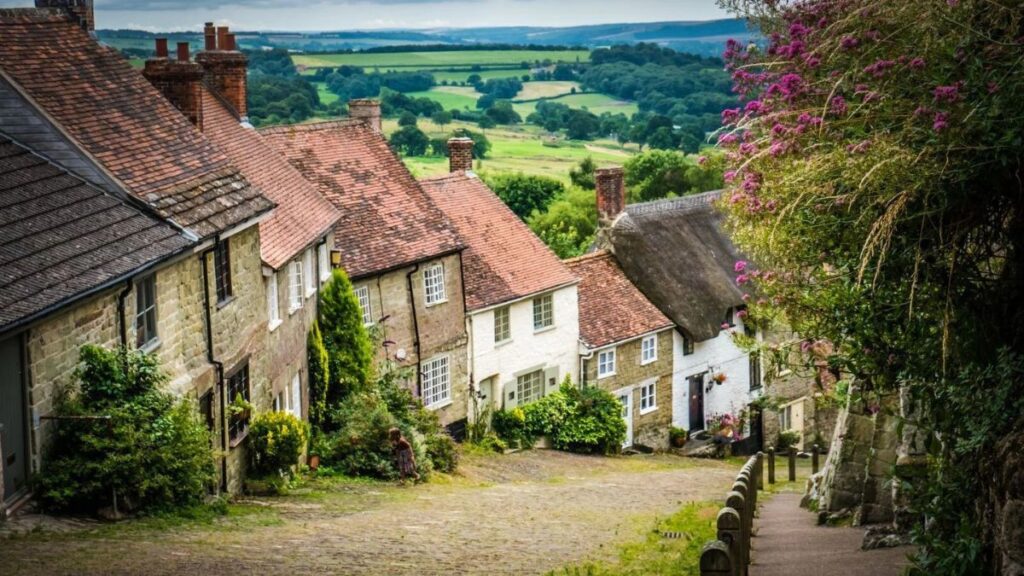
Life in the countryside is a world apart from the hustle and bustle of city streets. The allure of rural living often lies in its slower pace, open spaces, and the deep connection to nature. Whether you’re drawn by the promise of peace or the opportunity to escape crowded neighborhoods, moving to a rural area can be a transformative experience.
The Beauty of Space and Nature
One of the most obvious advantages of rural life is the abundance of space. Unlike city apartments or suburban homes packed side by side, rural properties often provide expansive yards, open fields, and stunning views of forests, mountains, or farmland. This space not only offers privacy but also creates opportunities for gardening, raising animals, or even starting small-scale farming ventures.
Living close to nature brings mental and physical benefits. Studies consistently show that spending time outdoors reduces stress, improves mood, and even boosts overall health. In rural areas, a morning walk might take you through meadows or along quiet country roads, with the sound of birds and the scent of fresh air replacing traffic noise and smog.
Building Community in Rural Areas
While rural areas are often quieter, that doesn’t mean they lack social connection. In fact, community ties can be stronger in smaller towns. Neighbors often know each other by name, and local events like farmers’ markets, festivals, and volunteer activities help foster camaraderie. Moving to a rural area may require effort to integrate socially, but the rewards include strong friendships and a genuine sense of belonging.
Adapting to the Slower Pac
Life outside the city moves at a different speed. Things like grocery shopping, commuting, and accessing services may take longer, but this slower pace can be refreshing. People often find they have more time for hobbies, family, and self-care. Learning to embrace patience and flexibility becomes essential.
Challenges of Rural Living
Of course, rural living comes with unique challenges. Access to healthcare, education, and entertainment may be limited compared to urban areas. Internet connectivity can vary, and public transportation is often sparse or nonexistent. Residents must be self-reliant in many areas, from home maintenance to emergency preparedness.
One practical aspect to consider is water supply. Many rural homes rely on well water, making the installation and maintenance of well pumps crucial. For example, well pumps in Utah are essential for providing consistent water access in remote properties, ensuring that daily life remains smooth and uninterrupted. Understanding these necessities before moving can save time, money, and frustration.
Financial Considerations
Living in rural areas often comes with lower property costs, making it easier to afford a larger home or more land. However, potential buyers should consider other costs, like property maintenance, transportation, and utility setup. Balancing these expenses with the lifestyle benefits is key to a successful transition.
Tips for Embracing Rural Life
- Research Thoroughly: Understand local amenities, weather, and community resources.
- Invest in Essentials: Items like well pumps in Utah, backup generators, and proper heating systems are often more important than in urban areas.
- Build Local Connections: Join community events or clubs to establish relationships.
- Adopt a Flexible Mindset: Accept that some conveniences from city life may not exist.
- Enjoy the Outdoors: Take full advantage of hiking, gardening, or exploring local landscapes.
The Rewards of Rural Living
For many, the benefits far outweigh the challenges. Rural life can provide a sense of freedom, closer connections with nature, and opportunities to live sustainably. Those who embrace it often find that their quality of life improves, and the stress of urban living fades into memory.
Moving from city streets to country roads is more than a change of address—it’s a lifestyle shift. By understanding the realities, preparing for practical needs like water supply, and immersing yourself in the community, rural living can be both fulfilling and life-changing.