
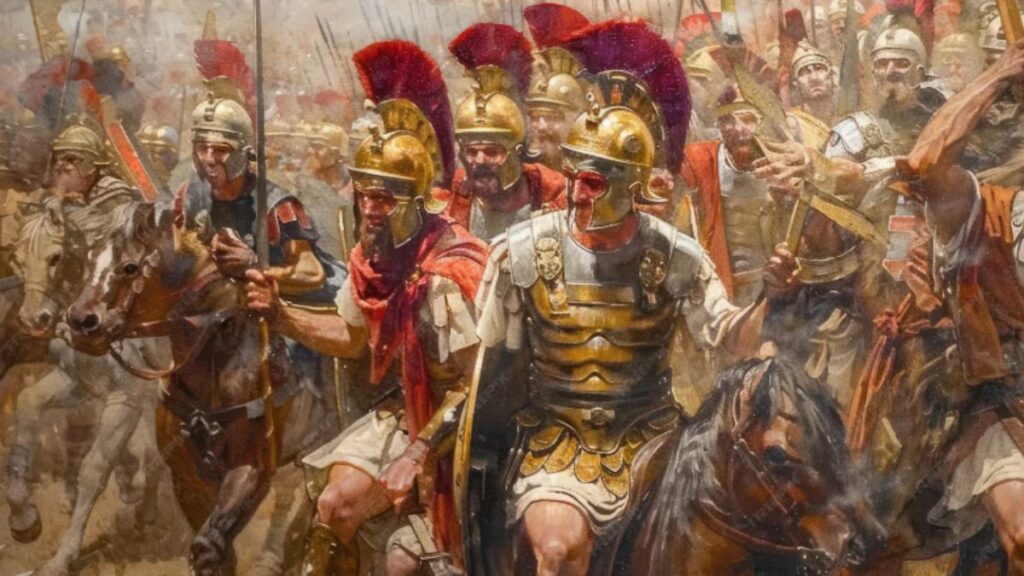
Introduction to Gladiators and Their History
Gladiators have long captivated our imaginations, transporting us back to the ancient arenas where fierce warriors clashed for glory and survival. These legendary figures symbolize courage, strength, and resilience in the face of overwhelming odds. As history has shaped their narrative, so too has popular culture transformed how we perceive them. Fast forward to today: a new era is upon us with Gladiator 2.0—a reimagining that breathes fresh life into this age-old tale.
This modern iteration promises not just thrilling battles but also deeper connections to contemporary issues and themes. With advances in technology enhancing storytelling like never before, audiences are poised for an experience that transcends time and tradition. Join us as we explore the evolution of gladiators through history, witness how Gladiator 2.0 reshapes our understanding of these iconic figures, and uncover what it means for both fans old and new alike!
The Original Concept of a Gladiator
The original concept of a gladiator dates back to ancient Rome, where these fierce combatants fought in arenas for public entertainment. Gladiators were often slaves or prisoners of war, trained rigorously to master various fighting styles.
Their battles captivated audiences, offering a mix of bravery and brutality. Each fight was not just about survival but also about honor and glory. Some gladiators gained fame, becoming celebrities in their own right.
Different types existed: the heavily armored murmillo faced off against lighter opponents like the retiarius, armed with nets and tridents. This variety added excitement to the spectacles.
Beyond mere bloodshed, gladiatorial games reflected societal values—strength, courage, and discipline were celebrated traits. Audiences cheered as they witnessed displays of skill that transcended simple combat; it was an intricate dance of life and death on display.
Changes in the Depiction of Gladiators over Time
The depiction of gladiators has evolved significantly throughout history. Initially, these warriors were portrayed as mere entertainers in brutal spectacles for the Roman elite. Their lives were often seen as expendable, a stark contrast to modern perceptions.
As storytelling progressed, filmmakers and authors began to humanize these combatants. They transformed gladiators into characters with depth—each with personal struggles and motivations. This shift allowed audiences to empathize more deeply with their plight.
In contemporary narratives, themes such as freedom, rebellion against tyranny, and moral complexity are central. Gladiators have transitioned from being viewed solely as fighters to symbols of resilience and strength in the face of oppression.
This evolution reflects broader societal changes that value individual stories over simplistic portrayals of violence. The way we depict gladiators now resonates on an emotional level, making their journeys relatable across time periods and cultures.
The Rise of Gladiator 2.0: A New Take on the Classic Tale
The resurgence of interest in gladiators has paved the way for Gladiator 2.0, a modern reinterpretation that captures both nostalgia and innovation. This new take breathes fresh life into an age-old story, blending historical intrigue with contemporary storytelling techniques.
Gone are the days when gladiators were merely viewed as brutal fighters in dusty arenas. Today’s narrative dives deep into their psyche, exploring complex motivations and moral dilemmas. Audiences are invited to empathize with these warriors beyond their physical prowess.
Advancements in filmmaking have allowed for richer visuals and immersive experiences. Enhanced special effects transport viewers into grand coliseums filled with palpable tension and drama.
This evolution shapes not just how we see gladiators but also what they symbolize—resilience, freedom, and the quest for identity amidst chaos.
Modern Themes and Messages in Gladiator 2.0
Gladiator 2.0 dives into themes that resonate with today’s audience. It goes beyond the thrills of combat, exploring the complexities of morality and justice.
The new narrative challenges traditional concepts of heroism. Characters grapple with their past choices, reflecting society’s struggle between right and wrong.
Empowerment emerges as a central motif. The protagonists are not just warriors; they embody resilience in the face of oppression. Their journeys inspire viewers to advocate for change.
Technology also plays an essential role in shaping these messages. Virtual reality sequences immerse audiences deeper into the emotional landscape, making personal struggles feel universal.
By weaving modern societal issues into its storyline, Gladiator 2.0 invites reflection on power dynamics and individual agency within our own world—a far cry from ancient arenas yet strikingly relevant today.
The Impact of Technology on the Production of Gladiator 2.0
Technology has fundamentally transformed the landscape of filmmaking, and Gladiator 2.0 is no exception. The integration of cutting-edge CGI and motion capture techniques allows for breathtaking visuals that were unimaginable in earlier productions.
Filmmakers can now create expansive battle scenes with stunning realism. This not only enhances viewer engagement but also immerses them into the world of gladiators like never before.
Sound design has evolved too. Advanced audio technologies bring every clash of swords and roar from the crowd to life, enveloping audiences in a visceral experience.
Moreover, virtual reality elements have started appearing in promotional campaigns, inviting fans to step inside this reimagined universe. It’s a bold move that blurs the line between spectator and participant.
As technology continues to advance, so does storytelling potential—making Gladiator 2.0 a fascinating example of what modern cinema can achieve through innovative tools.
Reception and Critiques of Gladiator 2.0
The release of Gladiator 2.0 sparked a flurry of discussions among audiences and critics alike. Many praised its fresh take on the classic narrative, applauding the way it combines historical authenticity with modern storytelling techniques.
However, not everyone was impressed. Some traditionalists felt that the film strayed too far from its roots, arguing that it diluted the essence of what made gladiators compelling figures in history.
Critics also noted the ambitious use of technology to enhance visual effects and fight choreography. While some viewers were mesmerized by these innovations, others found them distracting.
Character development emerged as another point of contention. A segment of fans wished for deeper explorations into individual backstories rather than relying heavily on spectacle alone.
In this evolving landscape, opinions about Gladiator 2.0 reflect broader conversations about how we engage with historical narratives today.
Conclusion: The Continued Evolution
As we reflect on the journey of gladiators through history and into modern storytelling, it’s clear that their narrative has evolved significantly. The introduction of Gladiator 2.0 marks a pivotal shift in how these warriors are portrayed, weaving together both traditional elements and contemporary themes.
This new rendition not only pays homage to the original portrayal but also redefines what it means to be a gladiator in today’s world. It tackles relevant social issues while showcasing intense character development and emotional depth.
The impact of technology further enhances this reinvention, allowing for breathtaking visuals and immersive experiences that captivate audiences like never before. Reception has varied, with critiques highlighting both the strengths and weaknesses of this ambitious project.
What remains undeniable is the power of storytelling as reflected in Gladiator 2.0—a testament to our ongoing fascination with strength, conflict, and redemption. As we look forward to future adaptations, one thing is certain: the legacy of gladiators continues to inspire generations across cultures and time periods.