
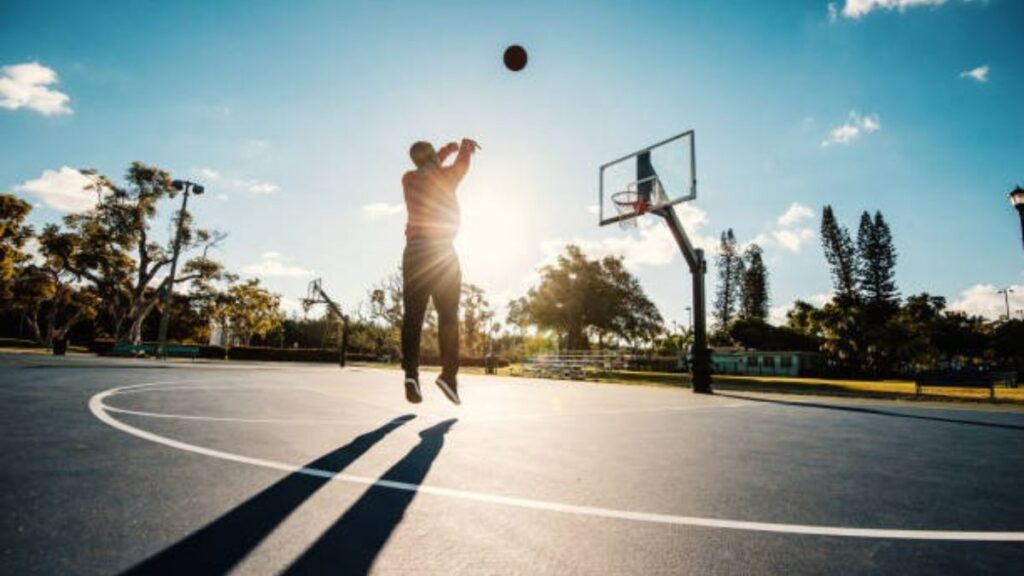
Choosing whether to build an indoor or outdoor sports court is a significant decision. The venue impacts player safety, surface longevity, and the overall game experience. Indoor and outdoor courts each have unique pros and cons. Factors like budget, local climate, and intended users are crucial in making the right choice.
The Case for Indoor Courts
Indoor facilities are often seen as the gold standard for competitive sports. They offer a level of control that nature simply cannot provide, making them ideal for serious training and year-round leagues.
The Advantages
Weather Protection
The most obvious benefit is immunity to the elements. Rain, snow, wind, and extreme heat can ruin a game or make practice dangerous. An indoor court guarantees that the schedule remains intact regardless of the forecast. This reliability is crucial for commercial facilities that rely on bookings for revenue or schools that need to adhere to strict physical education curriculums.
Controlled Environment
Beyond just keeping the rain out, indoor courts allow for total environmental control. Lighting is consistent, eliminating the issue of sun glare. Temperature and humidity can be regulated, which prevents the playing surface from becoming slippery due to condensation—a common issue on humid days. This control creates a safer, more predictable experience for athletes.
Surface Consistency
Indoor flooring, whether hardwood or high-performance synthetic material, tends to last longer because it isn’t exposed to UV rays and thermal expansion from freezing and thawing cycles. The bounce of the ball remains true, and the footing is consistent, allowing for higher-level competitive play.
The Disadvantages
Higher Costs
Building a structure to house a court is significantly more expensive than paving a slab of concrete outside. You have to account for the foundation, the building shell, insulation, HVAC systems, and lighting. The initial capital required can be a major barrier for many projects.
Ventilation and Air Quality
While you are safe from the wind, indoor courts can suffer from poor air quality if the ventilation system isn’t up to par. Stagnant air can lead to odors, and without proper climate control, these large spaces can become uncomfortably stuffy during intense physical activity.
Space Limitations
Indoor courts are confined by walls and ceilings. You have to plan carefully for runoff areas (the safety space around the court boundaries) and ceiling height. Lobs in tennis or volleyball requires significant vertical clearance, which increases construction costs further.
The Case for Outdoor Courts
There is a certain nostalgia and freedom associated with outdoor sports. From street basketball to park tennis, outdoor courts are often more accessible and offer a connection to the environment that indoor facilities lack.
The Advantages
Lower Initial Investment
If budget is the primary driver, outdoor courts usually win. You are primarily paying for the groundwork, the slab (asphalt or concrete), surfacing, and fencing. By eliminating the need for a roof and walls, you can often build multiple outdoor courts for the price of a single indoor facility.
Ample Space
Without structural columns or low ceilings, outdoor courts often feel more spacious. You are generally less restricted by property lines than building codes, allowing for more generous runoff areas and sideline space.
Natural Atmosphere
There is no substitute for fresh air and natural light. For recreational players, the experience of playing outside on a nice day is superior to being inside a gym. It connects physical activity with the outdoors, which can have mental health benefits.
The Disadvantages
Weather Dependency
The biggest downside is unpredictability. In many climates, an outdoor court might be unusable for months at a time due to winter weather or rainy seasons. Even on good days, wind can alter the trajectory of a ball, frustrating competitive players.
Variable Playing Surface
Outdoor surfaces take a beating. UV radiation fades paint and degrades synthetic materials. Roots from nearby trees can cause upheaval, and freeze-thaw cycles can crack concrete. This means the ball bounce might become unpredictable over time without rigorous maintenance.
Maintenance Requirements
While you don’t have to maintain a building, you do have to maintain the environment. Leaves, pine needles, bird droppings, and puddles are constant battles. If debris isn’t cleared regularly, it can stain the surface or create slip hazards.
Factors to Consider When Choosing a Court
Making the final call involves weighing several variables against your specific situation.
Budget
Determine your hard limit. If you have a tight budget, an outdoor court allows you to get more square footage for your money. If you have significant funding and require year-round revenue or playability, the investment in an indoor facility is justifiable.
Climate
Geography plays a huge role. In moderate climates where severe weather is rare, an outdoor court offers great value. However, in regions with harsh winters or scorching summers, an outdoor court might sit empty for half the year.
Intended Use and Trends
Who is this court for? Professional athletes require the consistency of indoor play. Neighborhood kids or recreational leagues might prefer the accessibility of an outdoor park. You should also look at what is popular in your region to ensure the facility gets used. For example, the surge in demand for pickleball courts like those contractors in Utah are installing suggests that multi-use outdoor courts are becoming a neighborhood staple in many western states.
The Role of a Mobile Concrete Batch Plant
Regardless of whether you choose an indoor or outdoor setup, the foundation is the most critical component. Most durable courts start with a concrete base. For large sports complexes or courts being built in remote locations or tight residential lots, getting high-quality concrete to the site efficiently can be a challenge.
This is where a mobile concrete batch plant becomes a game-changer. Unlike traditional ready-mix trucks that have a limited window before the concrete starts to set, a mobile batch plant mixes the concrete right on the construction site. This allows for precise control over the mixture, ensuring the slab is poured with the exact consistency needed for a sports surface.
For an outdoor court, a seamless, crack-resistant slab is vital to prevent future weed growth and water damage. For indoor courts, a perfectly level foundation is required before expensive hardwood or synthetic flooring can be installed. Using on-site batching ensures that the material is fresh and the pour is continuous, reducing cold joints that can lead to structural weaknesses later on.
Maintenance Tips for Both Types of Courts
Protecting your investment requires a proactive maintenance schedule, though the tasks differ depending on the location.
Indoor Maintenance
- Daily Cleaning: Dust and grit act like sandpaper on gym floors. Dry mop daily to remove abrasive particles.
- Humidity Control: Keep indoor humidity levels between 35% and 50% to prevent wood expansion or contraction.
- Shoe Policy: Strictly enforce a non-marking shoe policy to prevent scuffs and damage to the finish.
Outdoor Maintenance
- Pressure Washing: Once a year, the court should be pressure washed to remove built-up dirt, mold, and algae that can make the surface slippery.
- Crack Filling: Inspect for cracks every spring. Fill them immediately to prevent water from freezing inside and widening the gap.
- Water Removal: After heavy rains, use a squeegee to remove standing water. Letting puddles evaporate naturally can leave mineral deposits that damage the acrylic surfacing.
Conclusion
Choosing between an indoor and outdoor court depends on your specific goals. Indoor courts are more expensive but offer prestige, consistency, and year-round play. Outdoor courts are more cost-effective and accessible, providing an open-air experience, but are subject to weather conditions.