
Introduction to Klemroot
Klemroot, a resilient and versatile plant, is becoming a favorite among gardeners everywhere. With its striking foliage and unique growth habits, it adds both beauty and functionality to any garden space. Imagine stepping into your backyard oasis only to be greeted by the vibrant greens of Klemroot swaying gently in the breeze. Not only does this remarkable plant enhance your garden’s aesthetics, but it also offers numerous benefits that can elevate your gardening experience.
Whether you’re an experienced gardener or just starting out, understanding how to grow and care for Klemroot can transform your outdoor environment. This guide will provide you with essential tips gathered from seasoned gardeners who have mastered the art of nurturing this fantastic plant. Get ready to dive into the world of Klemroot and discover why it’s worth adding to your green sanctuary!
Benefits of Growing Klemroot in Your Garden
Growing Klemroot can transform your garden into a vibrant oasis. This hardy plant thrives in various climates, making it an excellent choice for many gardeners.
One of the standout benefits is its ability to attract pollinators like bees and butterflies. These friendly visitors not only enhance the beauty of your space but also contribute to the health of nearby plants.
Klemroot’s lush foliage offers natural shade, perfect for creating cozy nooks in your garden. It also provides a habitat for beneficial insects that help keep pests at bay.
Another advantage is its minimal maintenance needs. Once established, Klemroot requires little care while still delivering impressive results.
Plus, this unique plant boasts medicinal properties used in traditional remedies, adding an extra layer of value to your gardening efforts. Whether for aesthetics or utility, Klemroot is a fantastic addition to any outdoor space.
Finding the Ideal Growing Conditions for Klemroot
Klemroot thrives in well-draining soil, rich in organic matter. A pH level between 6.0 and 7.5 creates the perfect environment for growth.
This plant loves sunlight but can tolerate partial shade. Aim for at least six hours of direct sunlight each day to ensure vibrant foliage and healthy roots.
Temperature plays a crucial role as well; Klemroot prefers mild climates with temperatures ranging from 60 to 75 degrees Fahrenheit. Extreme heat or frost can hinder its development.
Watering is essential but should be done carefully. Keep the soil consistently moist without waterlogging it, which can lead to root rot.
Consider spacing your plants appropriately to allow airflow and prevent overcrowding. Proper spacing encourages robust growth and reduces competition for nutrients in the soil.
Step-by-Step Guide on How to Plant and Grow Klemroot
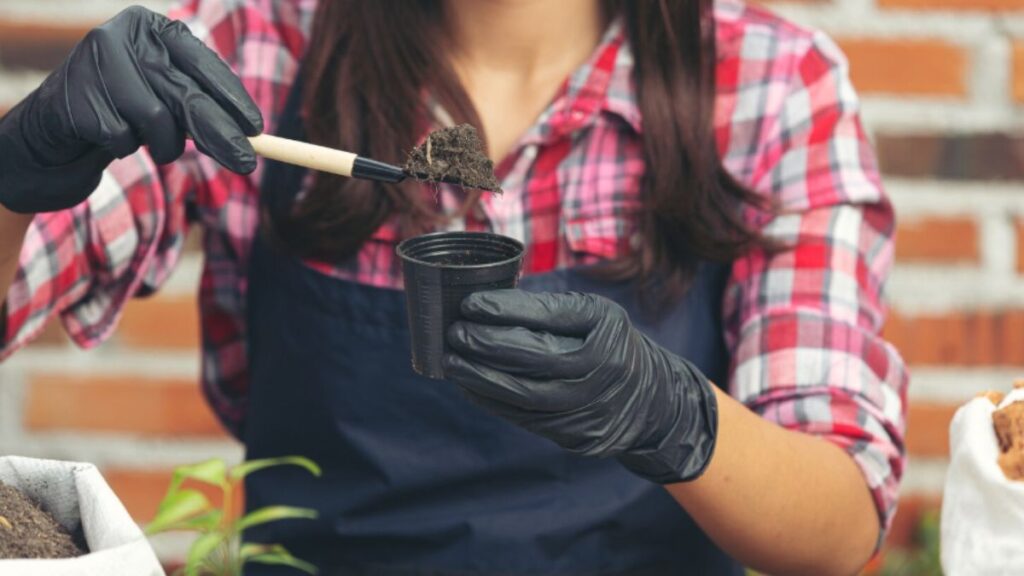
Planting Klemroot is a straightforward process that can yield beautiful results. Start by selecting healthy seeds or seedlings from a reputable source.
Choose a well-draining soil mix rich in organic matter to ensure robust growth. Prepare the planting site by loosening the soil and removing any weeds or debris.
Space your Klemroot plants at least 12 inches apart to allow for adequate airflow. Dig small holes, place the seeds or seedlings inside, and cover with soil gently, ensuring not to bury them too deep.
Water thoroughly after planting but avoid over-saturating the soil. Keep an eye on moisture levels; Klemroot prefers consistently moist conditions without being waterlogged.
As they grow, consider adding mulch around the base of each plant to retain moisture and suppress weeds. With proper care, you’ll soon see vibrant foliage sprouting up nicely in your garden space!
Common Pests and Diseases to Watch Out For
Klemroot, while resilient, can fall prey to various pests and diseases. Keeping an eye on your plants is essential for a thriving garden.
Aphids are common culprits. These tiny insects suck sap from the leaves, leading to yellowing foliage. Regularly inspecting your Klemroot can help catch them early.
Another threat is root rot, often caused by overwatering or poor drainage. This disease can lead to wilting and stunted growth. Ensure proper soil conditions and avoid waterlogging for healthy roots.
Spider mites might also invade your plants, especially in hot weather. Look for fine webbing on the undersides of leaves as a telltale sign of their presence.
Keep an eye out for fungal infections like powdery mildew. It appears as white spots on leaves and thrives in humid environments. Good air circulation is crucial to prevent this issue.
Tips from Experienced Gardeners on Caring for Klemroot
Experienced gardeners recommend regular watering, especially during dry spells. Klemroot thrives in well-drained soil, so ensure it doesn’t sit in water.
Mulching is another essential tip. A layer of organic mulch helps retain moisture and suppress weeds. Gardeners find that a 2-3 inch layer works wonders for the plant’s health.
Pruning is key too. Trim back old leaves to encourage new growth and improve airflow around the plant.
Fertilizing can boost its vitality as well. Use a balanced fertilizer every few months to provide necessary nutrients without overwhelming the roots.
Keep an eye on sunlight exposure. Klemroot prefers dappled shade but can tolerate full sun with adequate moisture management. Adjusting light conditions when needed will help your plants flourish beautifully.
Creative Ways to Use Klemroot in Your Garden and Home Decor
Klemroot is not just a beautiful addition to your garden; it can also inspire creativity in your home decor. Picture Klemroot leaves cascading from hanging pots, adding lush greenery to indoor spaces. They thrive with minimal care, making them perfect for busy lifestyles.
Consider using Klemroot as a natural centerpiece on your dining table. Arrange cut stems in a simple glass vase alongside seasonal fruits or candles for an inviting look that captures attention.
For the garden, intertwine Klemroot around trellises or fences. The vibrant foliage creates an eye-catching backdrop and attracts pollinators like bees and butterflies.
You can even dry Klemroot sprigs for unique homemade potpourri or sachets. Their earthy aroma brings nature indoors while providing a personal touch to any room décor. Let your imagination run wild with this versatile plant!
Conclusion: Why You Should Add Klem
Klemroot is a remarkable addition to any garden. Its unique characteristics and benefits make it an attractive choice for both novice and seasoned gardeners alike. Not only does Klemroot offer aesthetic value, but it also provides various practical uses.
By incorporating Klemroot into your gardening routine, you can enjoy its lush foliage and vibrant growth while reaping the rewards of easy care. With proper attention to growing conditions, pest management, and creative applications in your home decor, Klemroot can truly thrive.
Whether you’re looking to enhance your garden’s beauty or simply want to experiment with new plants, consider adding Klemroot to your collection. The journey of growing this plant promises enjoyment and satisfaction that every gardener seeks. Embrace the potential of Klemroot; it just might become a cherished part of your outdoor space.