
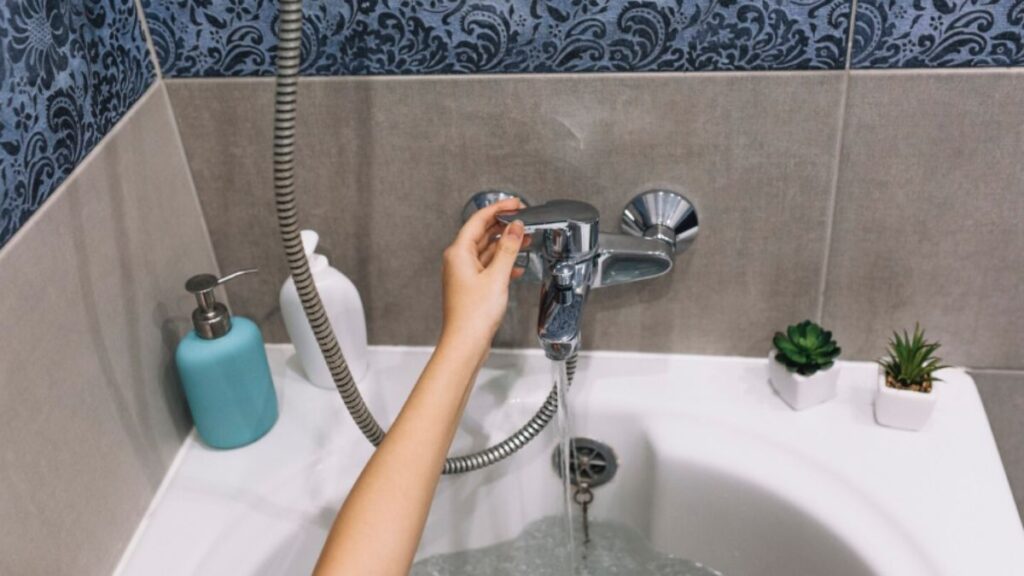
Introduction to Shower Valves and their Importance
Shower valves play a crucial role in our daily routines, controlling water flow and temperature for the perfect shower experience. Yet, many homeowners overlook these essential components until something goes wrong. Whether it’s sudden fluctuations in water temperature or an unexpected leak, shower valve problems can disrupt your day. Understanding common issues with shower valves not only helps you troubleshoot but also empowers you to maintain a comfortable bathroom environment. In this guide, we’ll explore the top five common shower valve problems and how to resolve them efficiently. Let’s dive into the world of showers!
The Most Common Shower Valve Problems
Shower valves can face a variety of issues that disrupt your daily routine. One common problem is leaking. This often occurs due to worn washers or seals, leading to frustrating water drips.
Another frequent issue is inconsistent water temperature. If you experience sudden shifts from hot to cold, it may be a sign of mineral buildup in the valve or problems with the mixing mechanism.
Low water pressure can be another irritant. Clogs in the showerhead or pipes might reduce flow and create an unsatisfactory shower experience.
Additionally, if you notice strange noises like banging or rattling during use, this could indicate air trapped in the plumbing lines or loose components within the valve itself.
A stuck handle can prevent easy adjustment between hot and cold settings. This situation usually points to corrosion or internal damage within the valve system.
How to Identify the Issue and Troubleshoot
Identifying shower valve issues doesn’t have to be complicated. Start by taking note of any unusual sounds or fluctuations in water temperature. A hissing noise often indicates pressure problems, while inconsistent temperatures can signal a faulty cartridge.
Next, check for leaks around the valve area. Water pooling on the floor or wall could mean seals are worn out.
Turn the water on and off to see if it drips after shutting it down. Persistent dripping is a telltale sign of wear that needs addressing.
If you notice reduced water flow, mineral buildup might be clogging your valve openings. Inspect the showerhead as well; low pressure there can hint at broader plumbing issues.
Taking these steps will help clarify what’s wrong before diving into repairs or calling in a professional plumber.
DIY Fixes for Minor Shower Valve Problems
Addressing minor shower valve issues can often be a straightforward process. For leaks, start by checking the handle and stem for wear. Replacing O-rings or washers can usually stop those pesky drips.
If water temperature fluctuates unexpectedly, it may be due to mineral buildup in the cartridge. Remove the cartridge and soak it in vinegar to dissolve deposits before rinsing thoroughly.
For low water pressure, inspect your showerhead as sediment might be clogging it. A quick clean with vinegar should restore flow without much hassle.
Squeaky handles can usually be silenced with a little lubrication on moving parts. Just a few drops of silicone grease will do wonders.
These DIY fixes can save you time and money while keeping your shower running smoothly. Always ensure you have shut off the water supply before starting any repairs for safety reasons.
When to Call a Professional Plumber
Sometimes, shower valve issues are beyond a DIY fix. If you’re facing persistent leaks, water pressure problems, or strange noises that won’t go away with simple adjustments, it’s time to seek help.
A professional plumber has the training and tools to diagnose complex issues. They can quickly identify whether there’s hidden damage or plumbing infrastructure problems contributing to your shower valve troubles.
If you notice signs of water damage around your bathroom walls or ceiling, don’t delay in calling an expert. These indicators could signal serious underlying issues that require immediate attention.
Even if you’re handy around the house, some jobs are best left to professionals. This ensures safety and prevents further complications down the line. Trust their expertise for peace of mind and efficient repairs.
Preventing Future Shower Valve Issues
Regular maintenance is key to preventing shower valve issues. Schedule periodic inspections to catch potential problems early.
Keep an eye on water pressure. High pressure can wear out components faster than normal. Consider installing a pressure regulator if your home has consistently high levels.
Cleaning the showerhead and faucet aerator helps avoid mineral buildup, which can affect water flow and temperature regulation. Monthly checks can keep these parts working smoothly.
Use soft water or install a water softener if you live in an area with hard water. This reduces limescale accumulation that often leads to blockages and other complications over time.
Be mindful of how you use your shower fixtures. Avoid excessive force when turning knobs or levers, as this could lead to premature wear on internal mechanisms. Taking these simple steps will go a long way in extending the life of your shower valve system.
Conclusion
Shower valves play a critical role in ensuring your shower functions properly. They regulate water flow and temperature, making them essential for a comfortable bathing experience. Understanding common shower valve problems can help you maintain your home’s plumbing system effectively.
From leaks to inconsistent water temperatures, several issues may arise with your shower valve. Identifying these problems early on can save you time and money in repairs down the line.
When troubleshooting, it’s important to be observant. Look for signs such as dripping faucets or unusual noises when turning the water on and off. These clues will guide you toward understanding the underlying issue.
For minor problems like worn washers or loose fittings, DIY fixes are often manageable without professional assistance. Simple tools and materials from your local hardware store can usually do the trick.
However, some situations require expert knowledge. If you’re faced with extensive damage or if you’re unsure about tackling repairs yourself, calling a licensed plumber is advisable to avoid further complications.
Taking preventive measures ensures that future issues remain at bay. Regular maintenance checks of your shower valve will keep everything running smoothly and extend its lifespan.
Addressing shower valve problems promptly not only enhances your daily routine but also protects against major plumbing expenses later on. Keeping an eye out for potential troubles will lead to a more enjoyable bathing experience overall.