
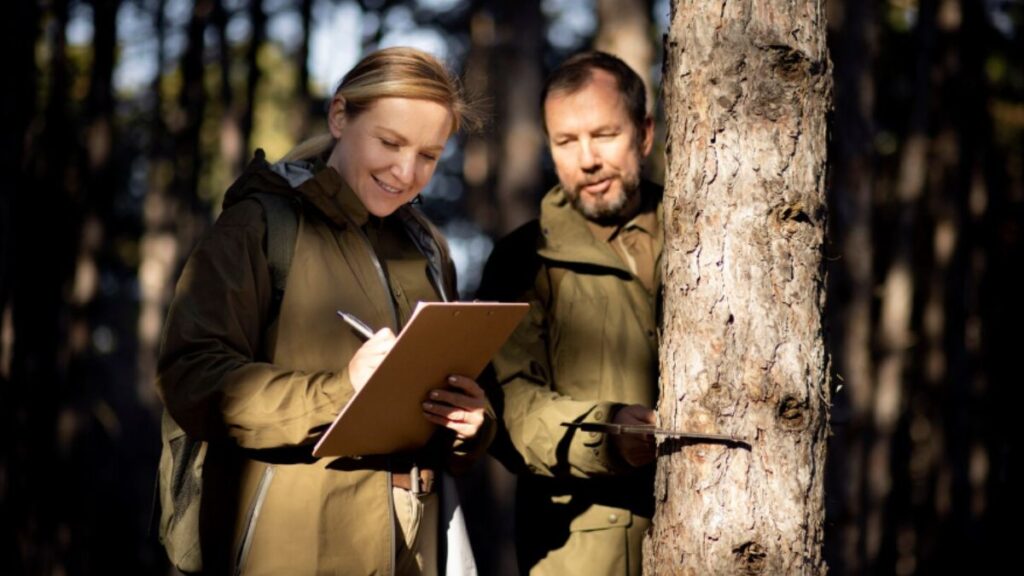
Introduction to Viltnemnda and Its Mission
Welcome to the fascinating world of Viltnemnda, where wildlife management is not just a task but a passion. This organization has taken on the crucial mission of ensuring our ecosystems thrive while balancing human needs and animal habitats. With challenges like habitat loss, invasive species, and climate change, effective wildlife management has never been more critical. Join us as we explore inspiring success stories from Viltnemnda that highlight innovative strategies and collaborative efforts in preserving biodiversity for future generations. Get ready to dive into remarkable tales of resilience and sustainability!
Success Story 1: Reintroduction of the Eurasian Lynx Population
The reintroduction of the Eurasian lynx is a shining example of Viltnemnda’s commitment to wildlife management. Once thriving across vast landscapes, this majestic feline faced severe population declines due to habitat loss and hunting pressures.
In a groundbreaking initiative, local stakeholders collaborated closely with conservationists. They conducted thorough studies on habitats suitable for the lynx and assessed prey availability. The careful planning led to the selection of prime territories where these elusive cats could thrive once more.
After meticulous monitoring and preparation, healthy lynx were relocated into their former ranges. Community engagement played a pivotal role in raising awareness about their ecological importance. As they settled in, positive signs emerged—lynxes began hunting naturally and successfully breeding within months.
This success story illustrates how targeted efforts can restore balance in ecosystems while fostering community support for sustainable practices.
Success Story 2: Managing Moose Herds for Sustainable Hunting
Managing moose herds is a delicate balance. Viltnemnda has taken significant steps to ensure these majestic animals thrive while allowing for sustainable hunting practices.
Through careful monitoring, they assess herd health and population dynamics. This data-driven approach enables them to set quotas that prevent overhunting. Hunters can enjoy their sport without jeopardizing the future of moose populations.
Community involvement plays a crucial role in this success story. By engaging local hunters and providing education on ethical practices, Viltnemnda fosters respect for wildlife. This collaboration strengthens the relationship between humans and nature.
Innovative strategies like habitat improvement also contribute to healthier moose herds. By enhancing feeding grounds, Viltnemnda ensures that these animals have access to nutritious resources year-round.
The impact of these efforts is evident in growing moose numbers across the region, demonstrating how responsible management can benefit both wildlife and human interests alike.
Success Story 3: Controlling the Spread of Invasive Species
Invasive species pose a significant threat to local ecosystems. Viltnemnda recognized this challenge and took proactive steps to mitigate its impact.
One of their key initiatives involved the monitoring of invasive plant species across various regions. Through detailed surveys, they identified hotspots where these plants were spreading rapidly.
With community volunteers on board, Viltnemnda organized removal events. These not only helped control the growth of invasive flora but also raised awareness about native biodiversity.
Additionally, educational programs were launched in schools. Children learned about the importance of protecting indigenous species and how to recognize invaders in their surroundings.
The collaboration between scientists and local residents fostered a sense of stewardship towards nature. As communities engaged with wildlife management efforts, they became more invested in preserving their unique ecosystems for future generations.
Lessons Learned and Strategies for Effective Wildlife Management
Effective wildlife management requires a multifaceted approach. One key lesson is the importance of collaboration. Engaging local communities fosters support and shared responsibility for wildlife conservation.
Data-driven decision-making is equally crucial. Continuous monitoring allows managers to adapt strategies based on real-time information about animal populations and habitat conditions.
Public education plays a vital role as well. Raising awareness about biodiversity helps cultivate respect for nature, encouraging responsible behaviors among residents and visitors alike.
Integrating traditional knowledge with modern science can yield innovative solutions. This blend enriches understanding and enhances strategies tailored to specific ecosystems.
Emphasizing these lessons ensures that initiatives are not only successful but also sustainable in the long run.
Future Goals and Initiatives for Viltnemnda
Viltnemnda is setting its sights on innovative projects to enhance wildlife management across the region. One key initiative involves leveraging technology, such as GPS tracking and drones, to monitor animal populations more effectively. This data-driven approach will provide real-time insights into wildlife movements and behaviors.
Another exciting goal is fostering community engagement in conservation efforts. By organizing workshops and outreach programs, Viltnemnda aims to educate local residents about the importance of biodiversity. Building a sense of stewardship among citizens can lead to greater commitment towards sustainable practices.
Additionally, there’s a focus on expanding partnerships with research institutions. Collaborating with scientists can bring fresh perspectives and support for ongoing studies related to ecosystem health.
Through these initiatives, Viltnemnda envisions creating a resilient environment that benefits both wildlife and people alike. Each step taken now lays the groundwork for future successes in maintaining ecological balance.
Conclusion: The Importance of Proper Wildlife Management for a Balanced Ecosystem
Effective wildlife management is crucial for maintaining the delicate balance of our ecosystems. The efforts of Viltnemnda have demonstrated how thoughtful planning and execution can lead to successful outcomes in wildlife populations, hunting practices, and invasive species control.
By reintroducing the Eurasian lynx, managing moose herds sustainably, and controlling invasive species, Viltnemnda has showcased the importance of proactive strategies. These initiatives not only protect native habitats but also enhance biodiversity.
As we look ahead, it’s clear that responsible wildlife management fosters resilience within ecosystems. It encourages coexistence between humans and nature while ensuring that future generations can enjoy a thriving environment. A commitment to these principles will help sustain our natural landscapes for years to come.