
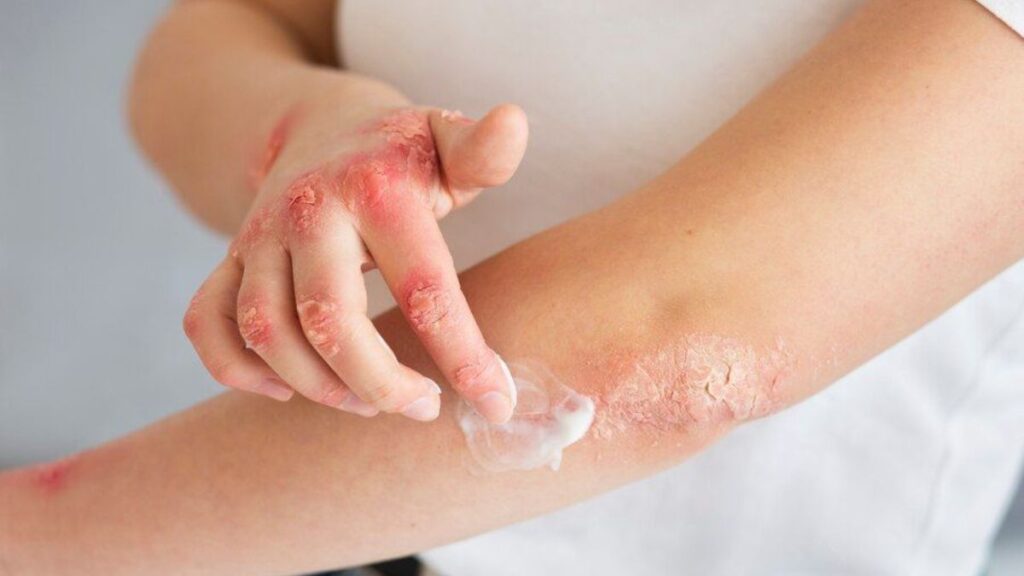
Eczema, also known as atopic dermatitis, is a chronic skin condition that affects millions of people worldwide. Characterized by itchy, inflamed, and sometimes painful patches of skin, eczema can significantly impact daily life. While its exact cause isn’t fully understood, researchers have identified a range of triggers and factors that contribute to flare-ups. Understanding these can help you manage symptoms more effectively and maintain healthier skin.
Genetic Factors
One of the most significant contributors to eczema is genetics. Individuals with a family history of eczema, asthma, or hay fever are more likely to develop the condition. Certain genes affect the skin’s ability to retain moisture and maintain a strong barrier against irritants. When this barrier is compromised, the skin becomes more susceptible to allergens, bacteria, and environmental stressors, all of which can trigger eczema symptoms.
Environmental Triggers
Environmental factors often play a major role in the onset or worsening of eczema. Common triggers include:
- Weather: Cold, dry air can strip moisture from the skin, while hot, humid conditions can cause sweating and irritation.
- Pollutants: Airborne chemicals, dust, and smoke can irritate sensitive skin and provoke flare-ups.
- Allergens: Pollen, pet dander, and mold can trigger immune responses in people prone to eczema.
Being aware of environmental triggers and minimizing exposure when possible can help reduce the frequency and severity of outbreaks.
Skin Irritants
Everyday products and substances can also contribute to eczema flare-ups. Harsh soaps, detergents, and fragrances can strip natural oils from the skin, weakening its protective barrier. Even certain fabrics, such as wool or synthetic materials, can cause itching and irritation. Opting for gentle, fragrance-free products and wearing soft, breathable fabrics can make a noticeable difference in managing eczema symptoms.
Immune System Response
Eczema is often linked to an overactive immune system. In people with eczema, the immune system reacts more aggressively to minor irritants, allergens, or even stress. This hyperactive response leads to inflammation, redness, and the persistent itchiness characteristic of eczema.
Stress and Emotional Factors
Stress doesn’t directly cause eczema, but it can exacerbate symptoms. Emotional stress triggers the release of hormones that can increase skin inflammation and itching. People with eczema often notice flare-ups during stressful periods or after experiencing emotional strain. Incorporating stress management techniques, such as meditation, yoga, or deep breathing exercises, can help minimize these triggers.
Dietary Considerations
For some individuals, certain foods can provoke eczema flare-ups. Common culprits include dairy, nuts, eggs, and gluten. Food sensitivities vary widely from person to person, so it’s important to observe patterns and consult with a healthcare provider or nutritionist if you suspect dietary triggers. Keeping a food diary can be a useful tool in identifying potential problem foods.
Bacterial and Viral Infections
Skin infections caused by bacteria or viruses can also trigger or worsen eczema. The compromised skin barrier makes it easier for pathogens to invade, leading to redness, swelling, and discomfort. Proper skin care and hygiene, along with prompt treatment of infections, are essential to preventing severe flare-ups.
Hormonal Changes
Hormonal fluctuations, particularly during pregnancy, menstruation, or puberty, can influence eczema severity. Many people notice that their eczema worsens during periods of hormonal change. While this factor is often unavoidable, being aware of it can help in planning proactive skin care strategies.
Managing Eczema
While eczema has multiple triggers, its symptoms can be managed effectively through a combination of lifestyle adjustments, skincare routines, and medical treatment. Regular moisturizing, avoiding known irritants, and managing stress are all key strategies. For persistent or severe cases, professional care is recommended. For those seeking specialized support, eczema treatment in Salt Lake City offers tailored solutions to manage flare-ups and maintain healthy skin.
Understanding why eczema happens is the first step in taking control of this chronic condition. By identifying and addressing the factors that trigger flare-ups, you can reduce discomfort, prevent infections, and enjoy healthier, calmer skin. Whether through daily care routines, stress management, or professional treatment, effective eczema management is within reach.